“Our experiences are a bigger part of ourselves than our material goods. You can really like your material stuff. You can even think that part of your identity is connected to those things, but nonetheless they remain separate from you. In contrast, your experiences really are part of you. We are the sum total of our experiences.” That’s what Dr. Thomas Gilovich, a psychology professor, says in a Fast Company article I came across recently. And it is exactly why 2015 was an incredible year for me. I collected many memorable experiences, and I feel now a much better person.
2014 marked the end of an era. I had spent the last four years working with the Beijing city government, teams, riders and many partners to organise the Tour of Beijing. Four incredible years where I discovered an amazing culture, learnt a lot and made life long friends. But all good things come to an end. The UCI’s ‘new management’ did not renew its contract with Beijing; after a 20 year stint with cycling’s world governing body, I was shown the door, like so many of my friends and colleagues. A good thing for the UCI? Time will tell. For me? I can’t complain. Here’s my new journey beginning in 2015.
We live in the Swiss Alps. Winter usually means fun in the snow and we had good conditions for ski touring and cross country skiing at the beginning of the year. I love both and many days start with a tough choice. Play in the powder, hop on the skinny skis or ride my bike?
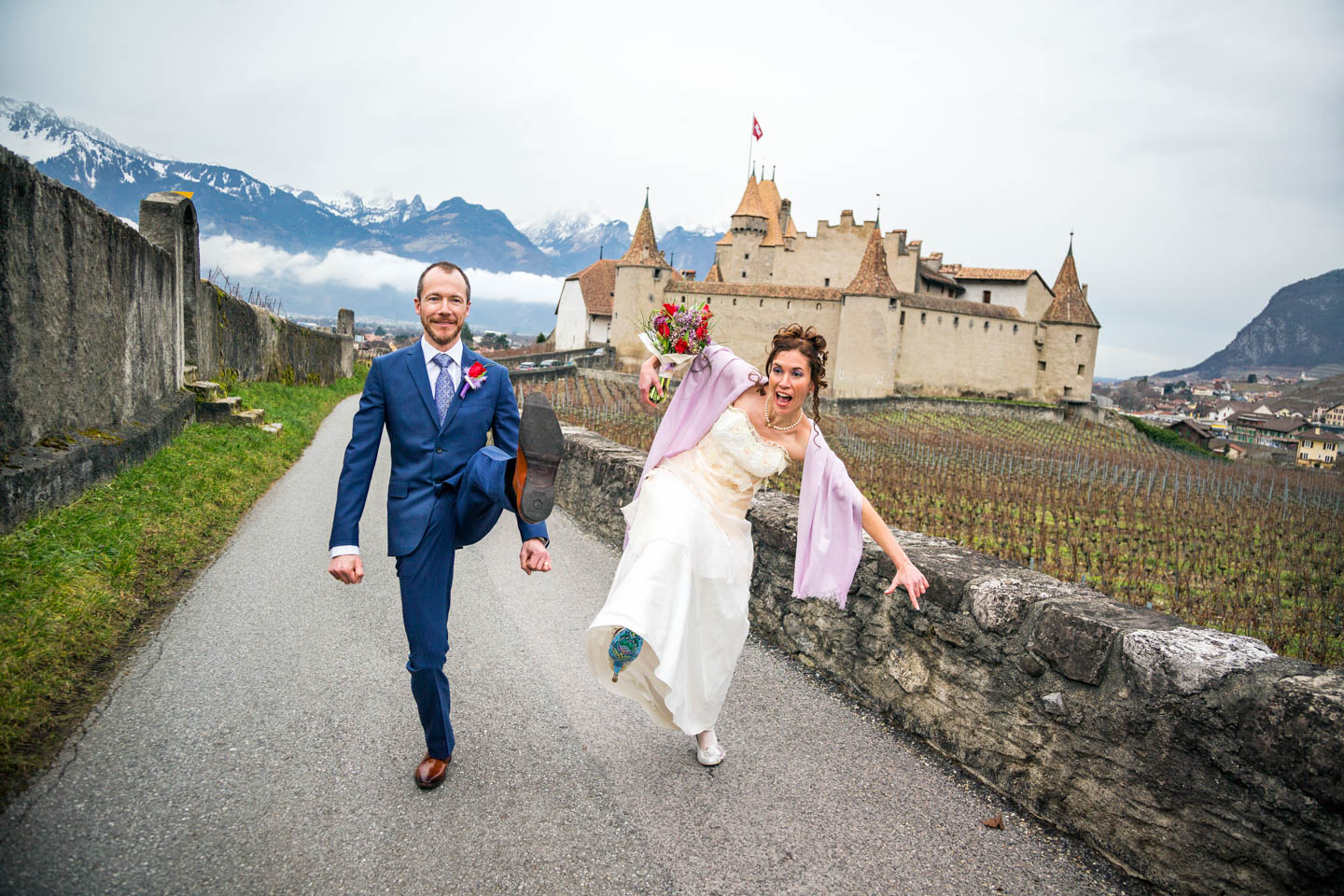
One day I did not have to choose because I had better things to do. On January 16 I got married with Lillie. My life partner, my best friend, my training buddy…. The party was great and 2015 could not start in a better way.
Photo: PatitucciPhoto
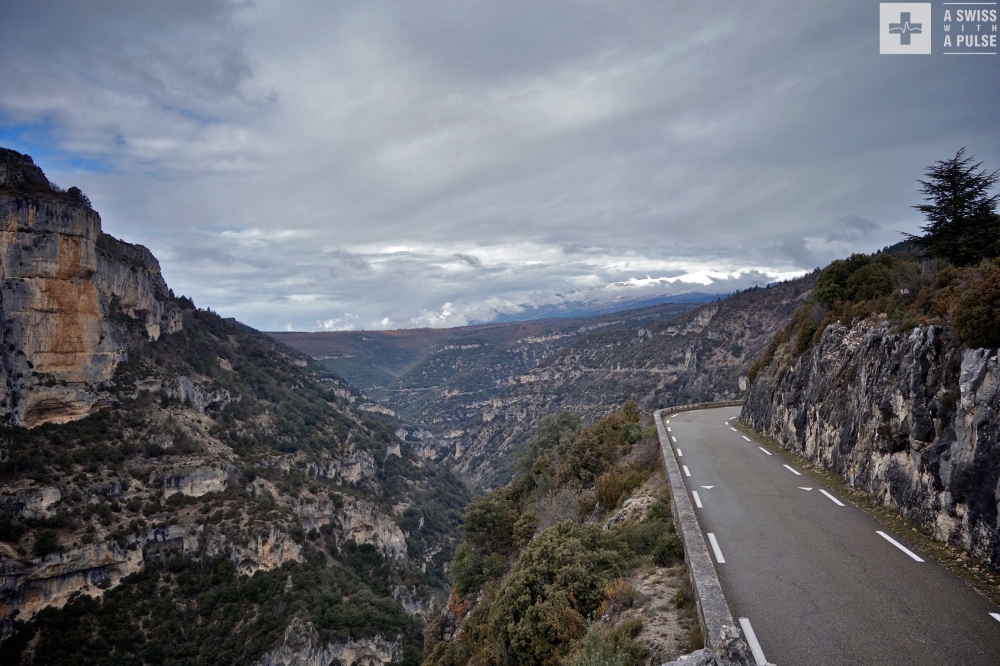
Usually I try to enjoy the snow as long as I can and don’t ride much until April. However, this year was an exception. With the prospect of being jobless, I had signed up for the Transcontinental Race. When else in my life would I ever find the time? I needed to prepare myself for this gruelling adventure. So in March I embarked on a 5 day tour to the south of France and back to test my legs, my mind and my equipment. 1,000km later, I knew I could do it.
The Gorges de la Nesque near Mont Ventoux
I was back on snow in early April to participate in my first big ski mountaineering race: the Trophée du Muveran. I was pushed out of my comfort zone on several occasions along the 28km and 2,300m of climbing (and descending!) course, but I made it with the support of my teammate and friend Christophe. One box ticked from my bucket list.
A photo posted by A Swiss With A Pulse (@aswisswithapulse) on
After that it was all about the bike with many fun projects. In May I was part of a video promoting road cycling in the region of Gstaad-Saanenland.
Cycling tourism has huge potential in Switzerland and it is great to see that prestigious resorts such as Gstaad recognise it.
I also travelled to Provence with Lillie and my daughter Wendy for a few days of bike exploration. Good food, good riding and good company made for a great get away. And… Lillie was pregnant. Although it did not prevent her from climbing Mont Ventoux and she shared her story on Ella.
Almost there!
The Transcontinental Race was getting closer and I went for some more giant rides to get ready: a Tour du Mont Blanc in two days and a memorable Solstice Ride. 404km across Switzerland with Chris, Graham and Alan – my biggest ride ever.
A photo posted by A Swiss With A Pulse (@aswisswithapulse) on
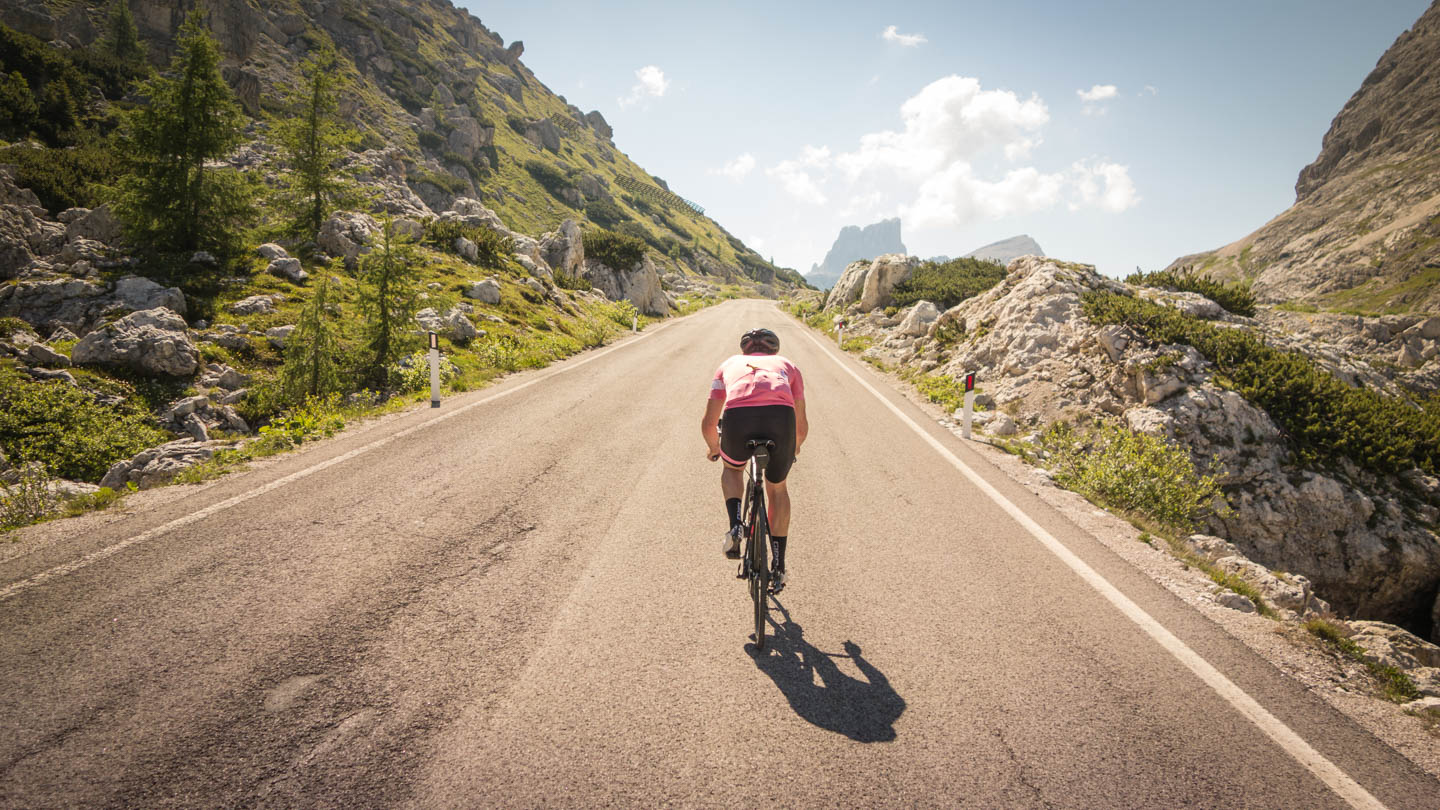
Then I was off to the Dolomites for the Maratona. I love this part of the world and we had a fantastic time with a great group.
On Passo Valparola with Evan
The Transcontinental Race… a 4,400km life changing experience from Geraardsbergen, Belgium to Istanbul. No route. No stages. No support. But tons of memories.
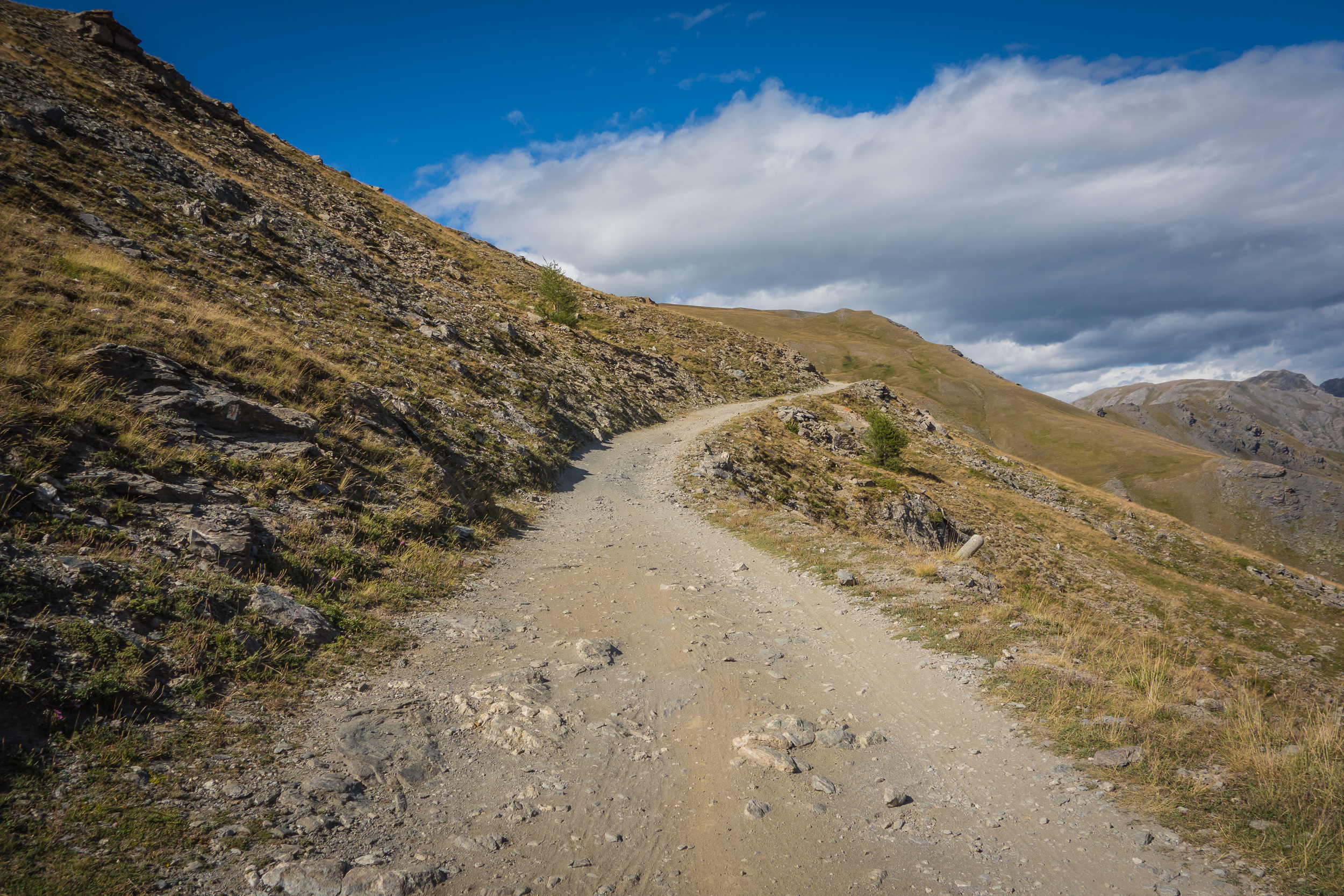
The infamous Strada dell’Assietta above Sestrières, Italy
There are so many people I want to thank for their support: Lillie, the TCR widow; my friend Chris, who convinced me to enter this crazy race, and his wife Heather; CyclingTips, for giving me the opportunity to share my race with their readers; Scott Sports – the Solace was my best buddy for 16 days; Mike Hall, the evil genius who invented and organises the Transcontinental Race with his fantastic team; and last but not least the TCR racers, an amazing community of people from all walks of life sharing a passion for adventure cycling.
A photo posted by A Swiss With A Pulse (@aswisswithapulse) on
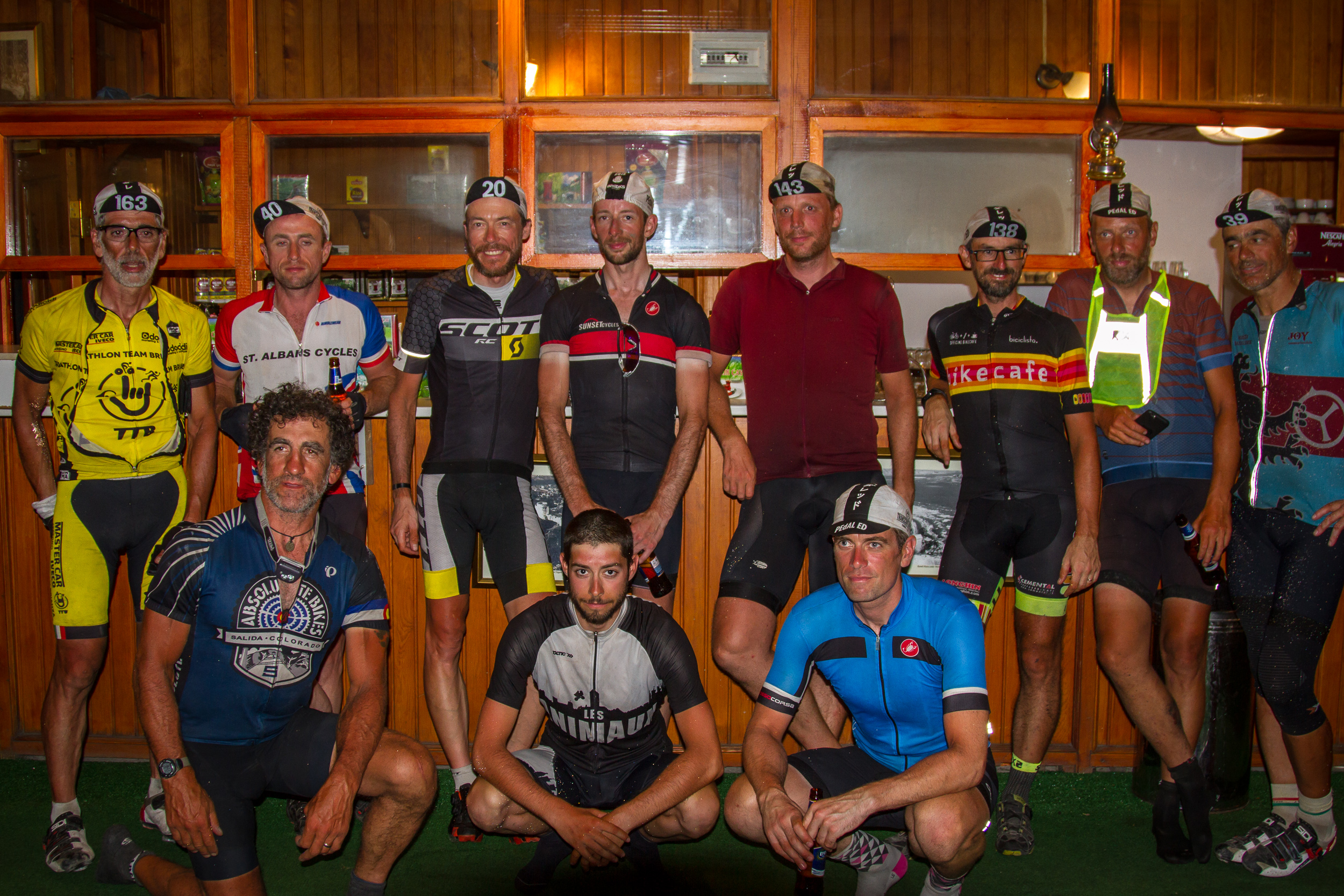
The stinkiest picture of cycling history with the day 16 finishers
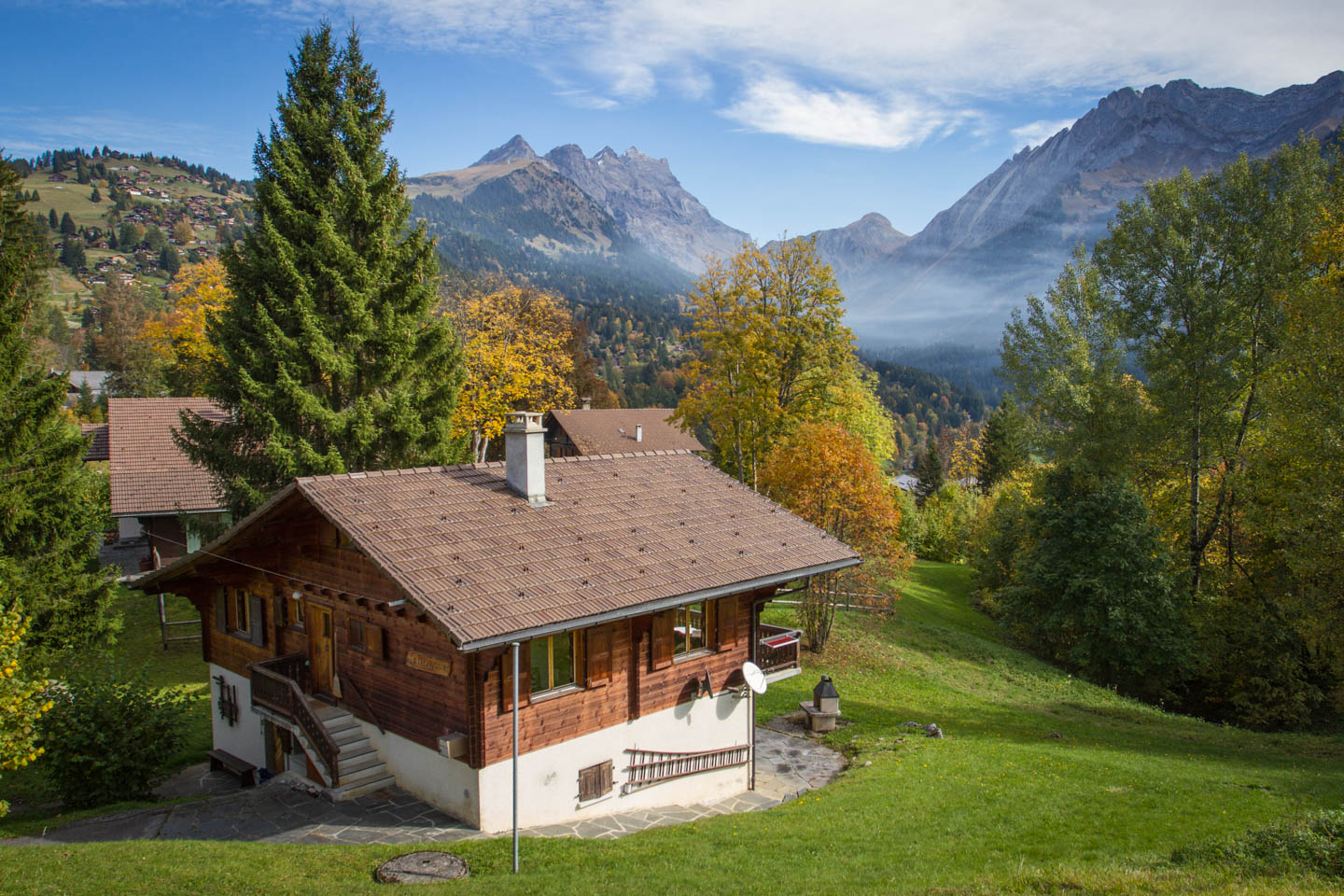
A summer well spent. But there was more. A new house! Not a big move in distance (just a few kilometres), but definitely in our life. We have our own chalet in the Alps, a dream come true. OK, it’s an object, but this one will generate so many meaningful experiences in the years to come. And Gryon is a great little community where we truly feel at home.
The new A Swiss With A Pulse HQ
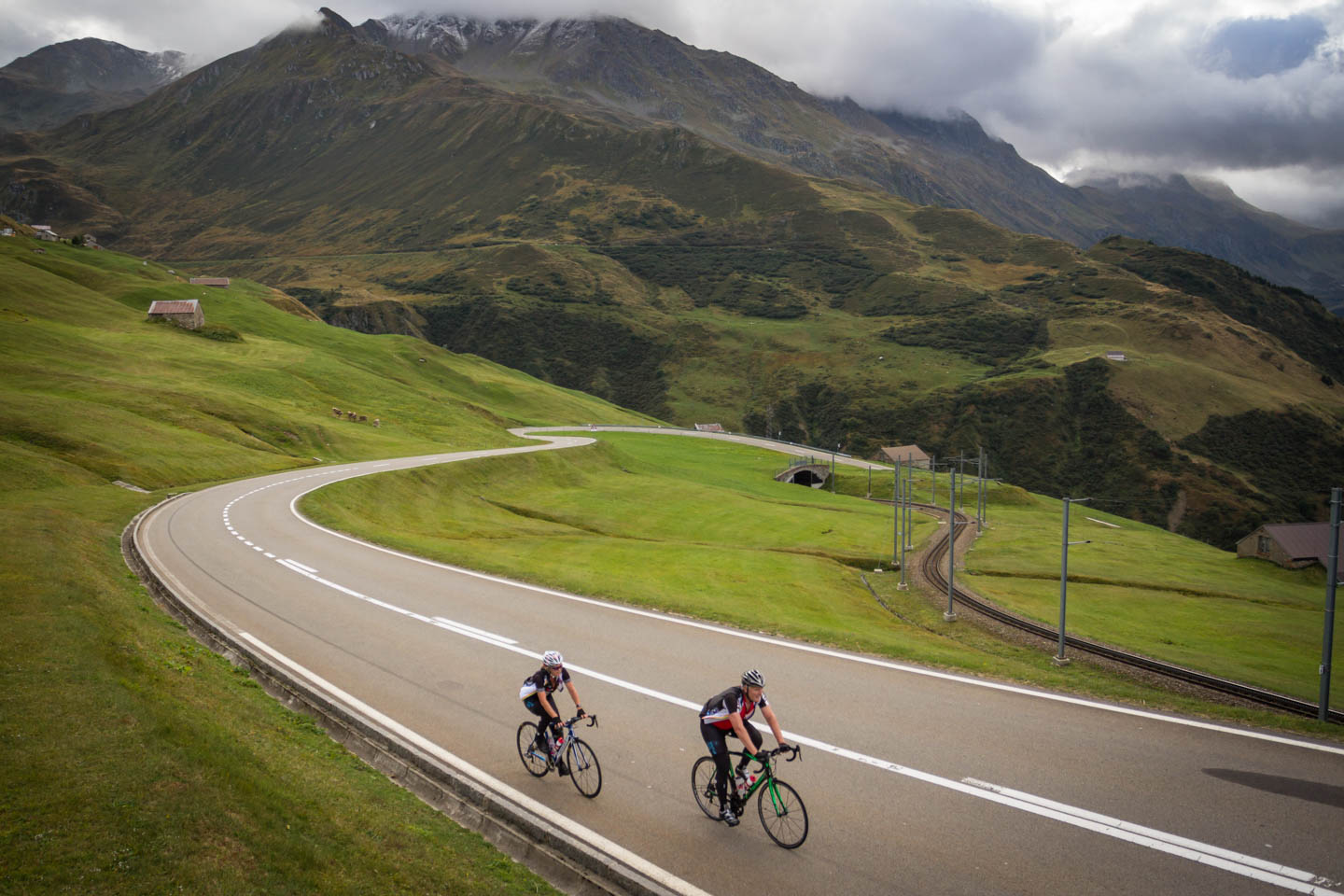
In September, I spent a week on the roads of Switzerland with Keith Tuffley and his wife Yvette. And I could call this work: I am incredibly lucky to be the Chief Cycling Officer of Grand Tours Project, the cycling holiday company founded by Keith. It’s a huge challenge and I can’t thank Keith enough for giving me this opportunity to create experiences on and off the bike, and share them with like minded cyclists. Have a look at our tours – which one would you like to join?
Keith and Yvette on the Oberalp
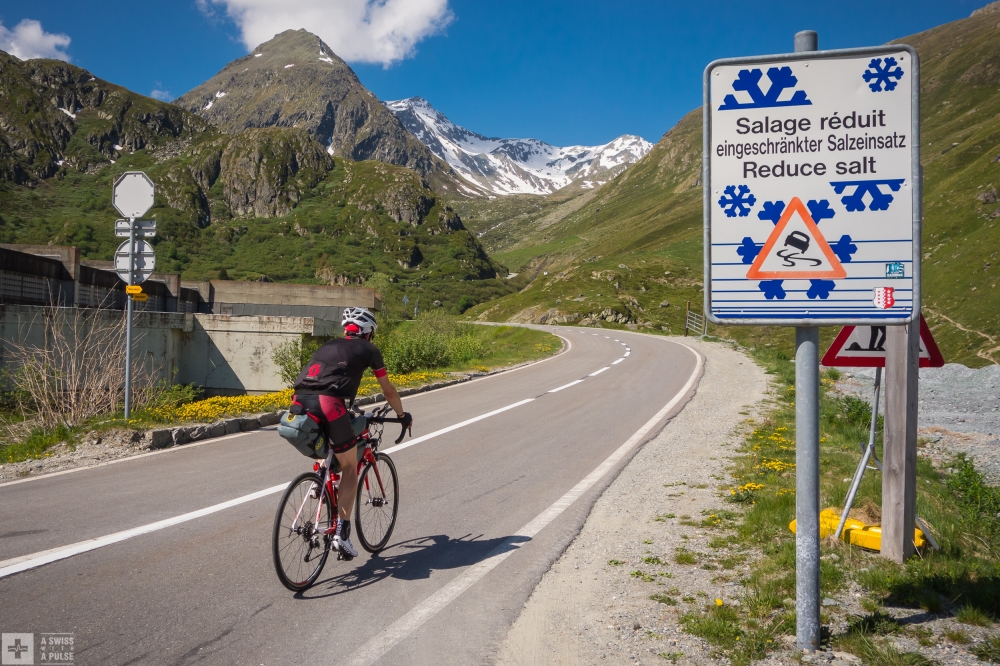
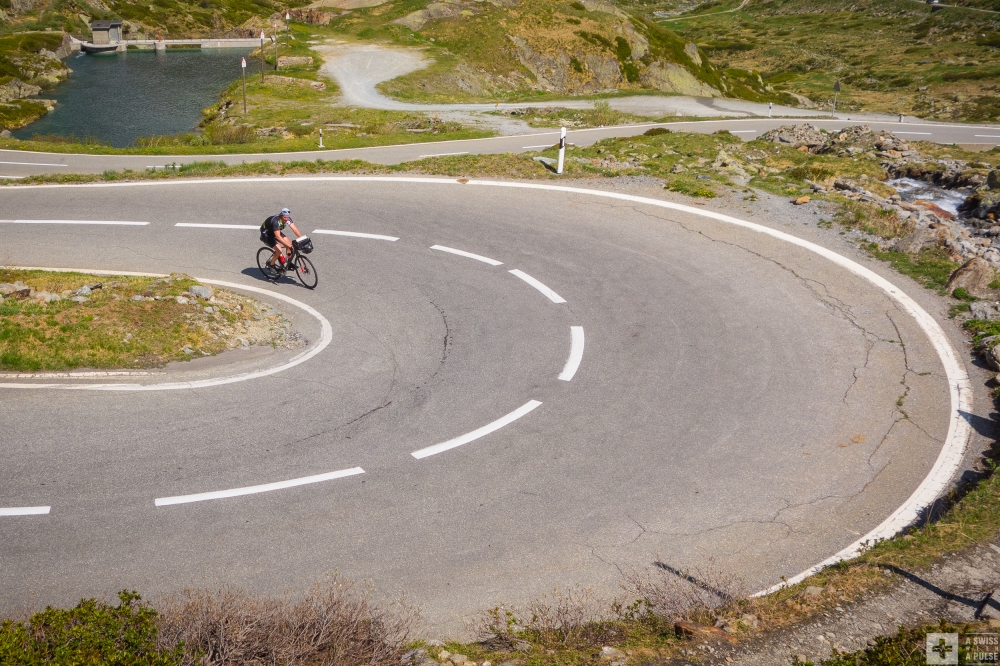
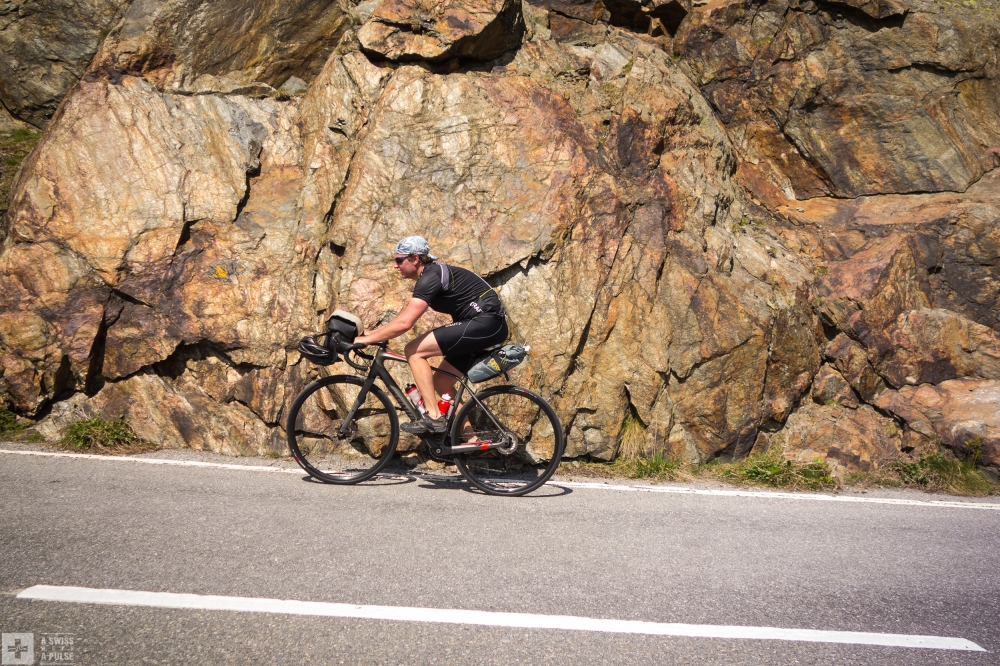
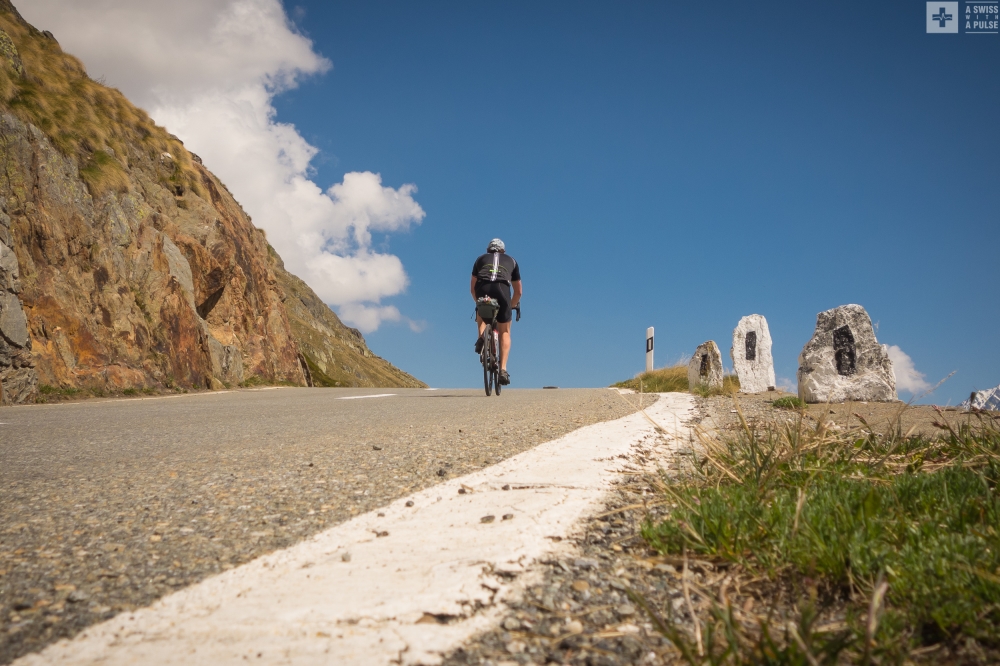
And if that was not enough, I was back on some of the big Swiss alpine passes in early October with my friends Graham and Jen for Roadtripping Switzerland, a story for CyclingTips. Another opportunity to showcase what Switzerland has to offer to cyclists.
At 4.34am on October 19, Benjamin Maurice was born. The best baby ever (no fatherly pride here of course). I see many biking adventures coming… Is there a family category at the Transcontinental Race?
A photo posted by A Swiss With A Pulse (@aswisswithapulse) on
After a good start in November, winter took a break in December and the snow went missing in the Alps. Climate change? In any case, a good reason to be back on the bike after 2 months of low mileage and complete the Rapha Festive 500.
A photo posted by A Swiss With A Pulse (@aswisswithapulse) on
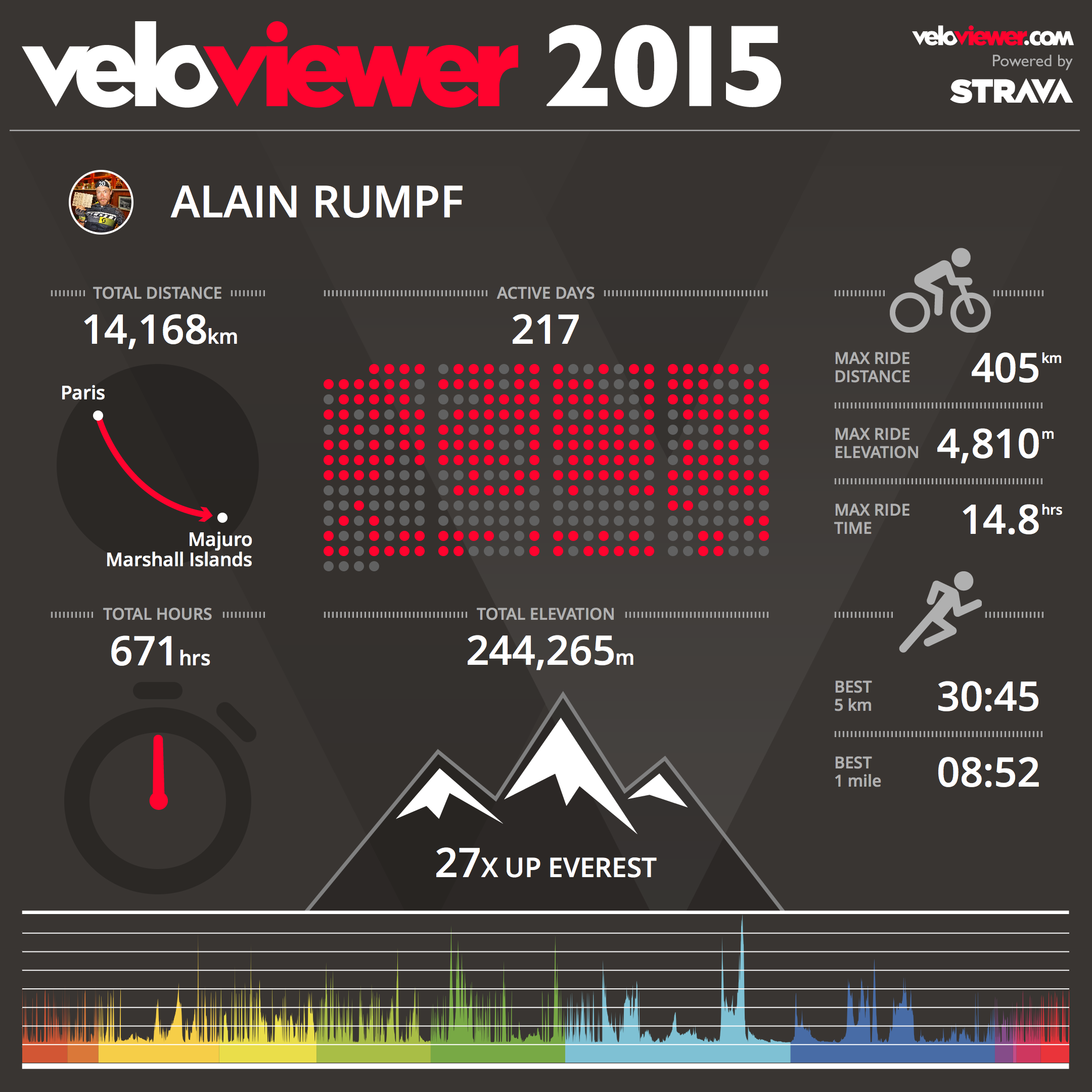
Veloviewer tells me that I covered the distance between Paris and the Marshall Islands and climbed the altitude of Everest 27 times in 2015 on my bike, my skis and my feet.
2015 on Veloviewer
But that’s just part of the picture. Family, adventure, photography and writing were in fact far more important. In 2015 I learnt that it is never too late to reinvent yourself, and that experiences make you rich, not things. So… be ambitious. Be crazy. Be happy. Be thankful. And ride your bike, of course.
Happy New Year, and let’s see what 2016 has in store.
To stay up to date with the new posts on this blog, follow me on Facebook, twitter or Instagram.
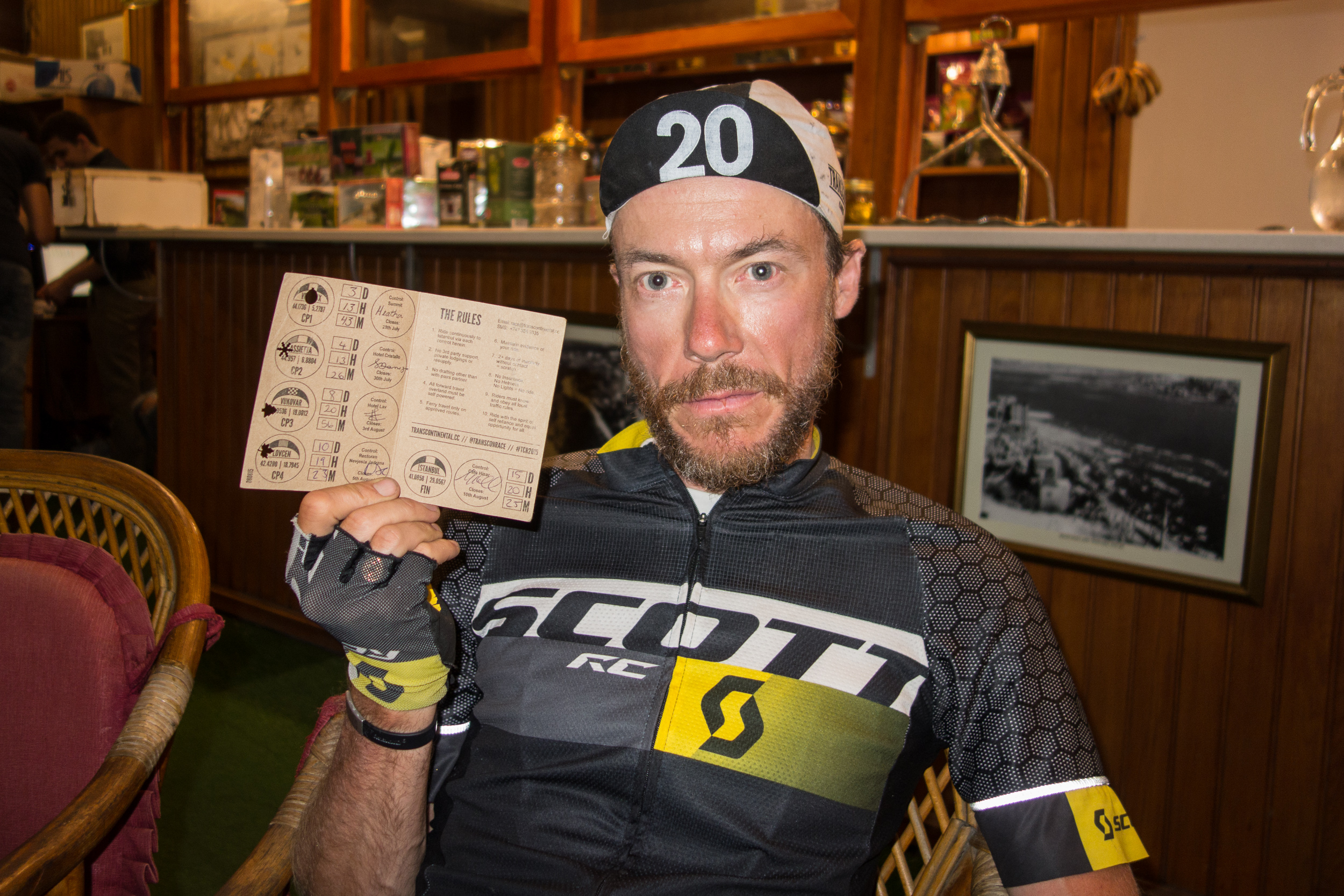
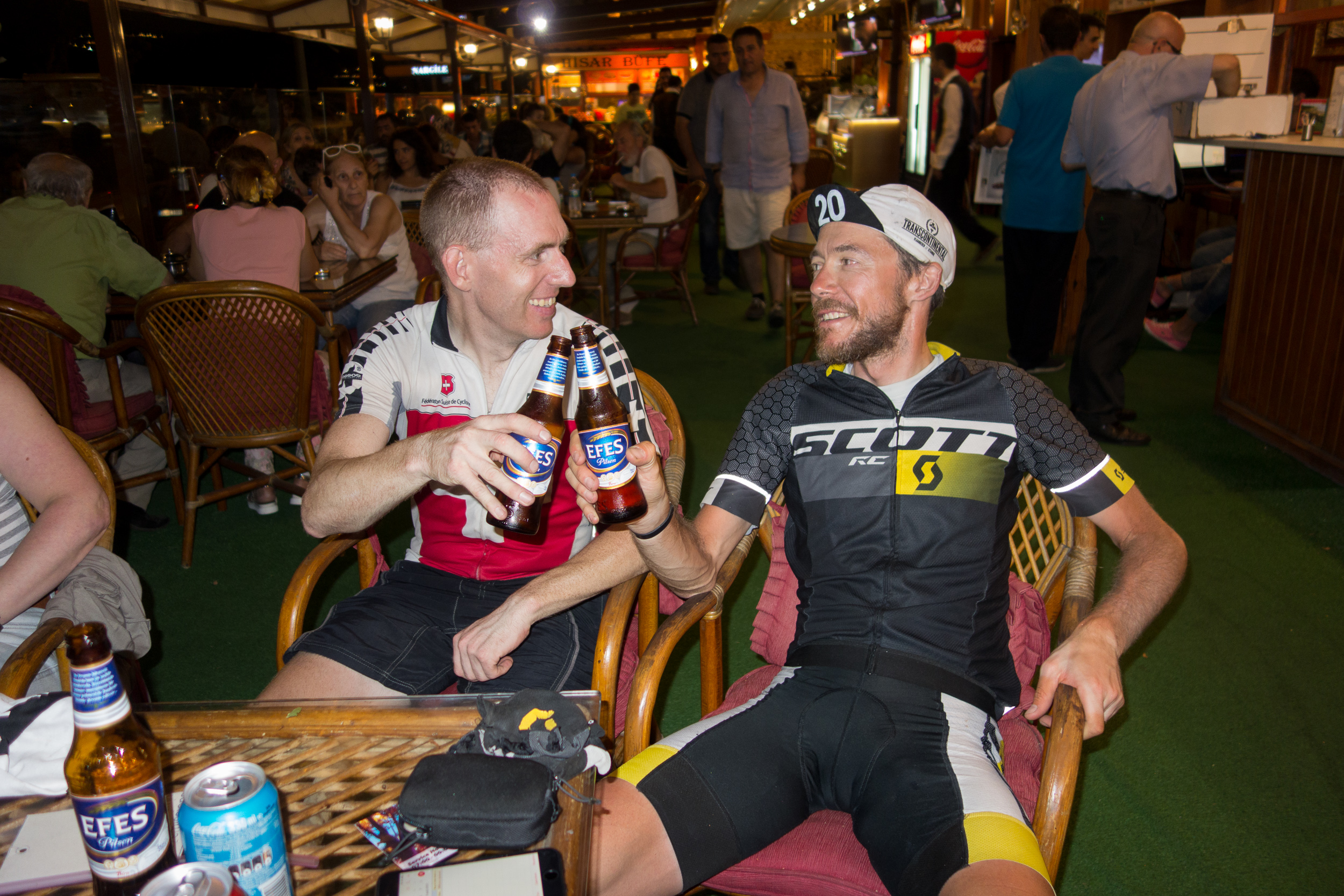
I failed. My goal was to complete the Transcontinental Race in less than 15 days in order to make it to the finishers’ party. But I reached Café Hisar on the Bosphorus in Istanbul on August 9, 15 days, 20 hours and 25 minutes after starting from the famous Muur van Geraardsbergen in Belgium. No party for me.
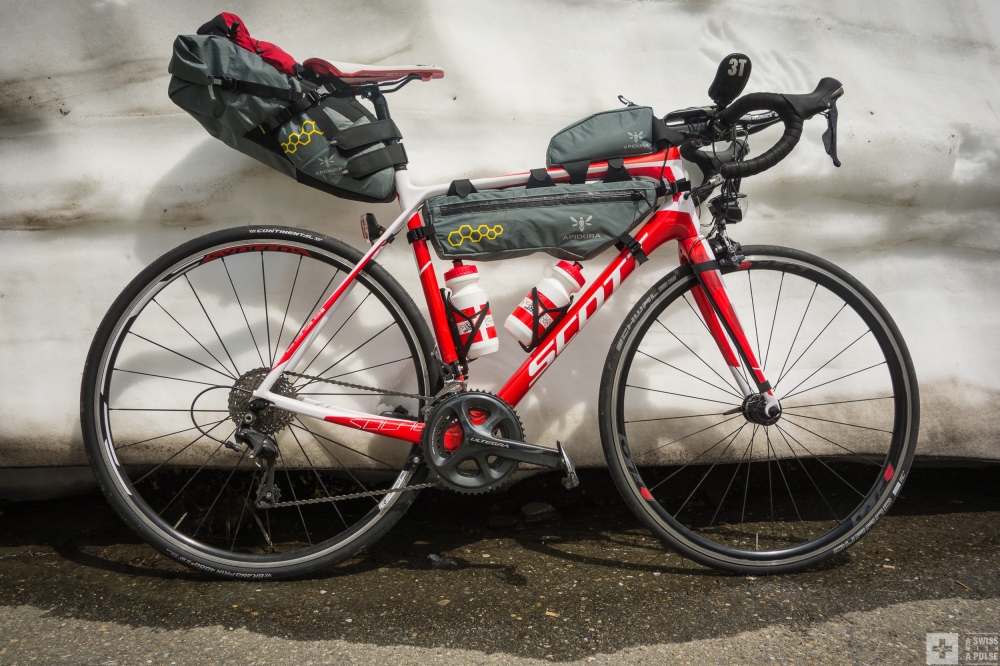
Why? I was fit. I was well prepared: my Scott Solace was the right bike for this gruelling challenge, I was carrying exactly what I needed, and I had plotted the best possible route thanks to the invaluable advice of my friend Chris, a TCR veteran (without him, I would still be trying to get out of some Bosnian dirt road as I am writing this piece).
But I made “rookie” mistakes.
The “rookie” mistakes
1) I forgot my passport in a gas station where I had stopped for ice cream in the Rhone valley on day 3. By the time I realised it, I was already 60km away. So I had to ride back. That’s 120km added to my route, or approximately 5 hours lost.
2) On day 5, I was a bit too enthusiastic (read: fast) on Strada dell’Assietta, an amazing but very, very bad gravel road above Sestrières, Italy. It took me more than 6 hours to complete this 40km section due to 4 pinch flats. I had to walk the last part to save my only good tube, having failed to patch the others. By the time I got off the mountain, it was almost dark. I should have followed my friend Chris’ advice to pack a better, only slightly heavier air pump which may have saved me from the seemingly endless stream of pinch flats.
The Strada dell’Assietta. Barely a road, and it went on like this for 40km
3) The infamous energy drink. Coming into Greece on day 13, I was feeling very sleepy. This is one of the big challenges for all TCR racers. Riding 15 to 17 hours and sleeping 4 to 6 hours a day (in my case) is surprisingly manageable, but there are times when you just struggle to keep your eyes open. After a while, especially on straight roads, the ride becomes monotonous and fatigue starts setting in.
Coffee, singing out loud and sprinting for imaginary town signs did not work this time. So, instead of stopping for a power nap in a field, I decided to have a so called ‘energy drink’. Within half an hour, I was on the verge of collapsing on the road side. I barely made it to a gas station where I threw up everything. I thought I would be OK and kept going, only to ride into a giant thunderstorm. This proved too much for my body, which started to shudder and shake. My only choice was to check into the next hotel, spend an hour in a hot shower and crawl into bed, thinking that my race was over.
The next morning I was fortunately feeling better. I managed to get on my bike with an empty stomach, very little appetite and a constant head wind. But in this state I could only ride 200km that day, and I had lost another 6 hours, a lot of energy and any hope of making the finishers’ party. However I was back in the race and I knew I would make it to Istanbul, no matter what.
4) Last, but not least, I failed to recognise the very nature of The Transcontinental Race. It is a race, yes, and there are some very fast riders out there. The winner, Josh Ibbett, made it to Istanbul in 9 days, 23 hours and 54 minutes. That’s more than 420 km per day, and the guy is an outstanding athlete (read more on his blog).
But for the other mere mortals like me, the TCR is about crossing a whole continent on a bike, managing one’s own speed, abilities, mechanicals, navigation skills, and inner voice which is constantly pleading to stop. More than a race, it is a life changing adventure, riding through the most remote, beautiful places, and meeting amazing people on the road.
The journey
There is no official route for the Transcontinental Race. Just a start line in Geraarsdbergen, Belgium and a finish line in Istanbul, Turkey. However, you have to ride through 4 checkpoints in between: Mont Ventoux (France), Strada dell’Assietta (Italy), Vukovar (Croatia) and Mount Lovcen (Montenegro). How you get to the checkpoints is largely up to you.
My route on the race tracker
My route, plotted with the invaluable help of Chris, was not always the most direct one; but it proved just perfect. First of all, it used roads that actually existed and were rideable. Many racers ended up on dead ends, road works, dirt roads or mega highways. Careful research using Google maps, Strava heat map, Chris’ experience last year and common sense ensured I never had such a problem. I knew I could trust the purple line on my Garmin and almost never had to improvise on the road.
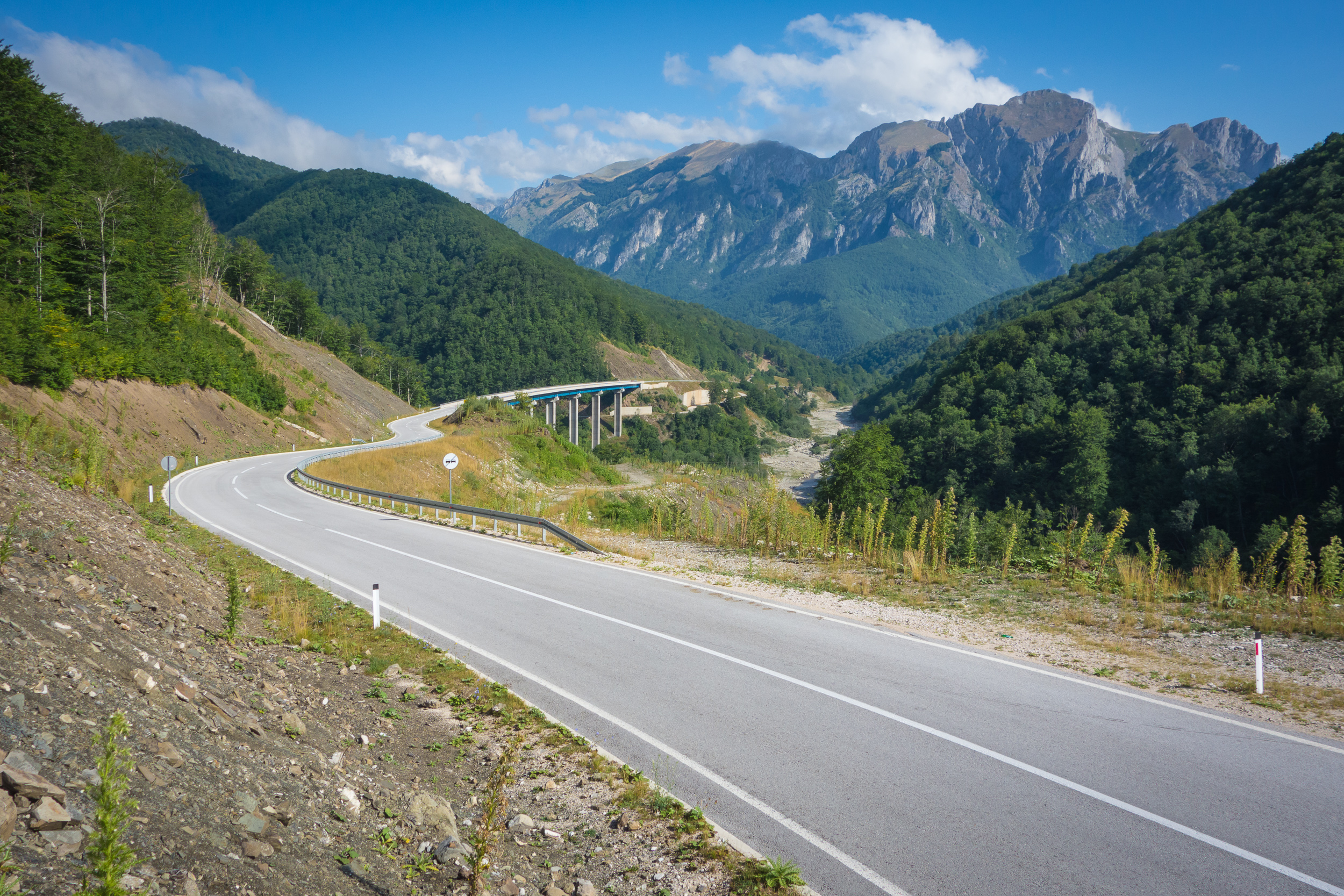
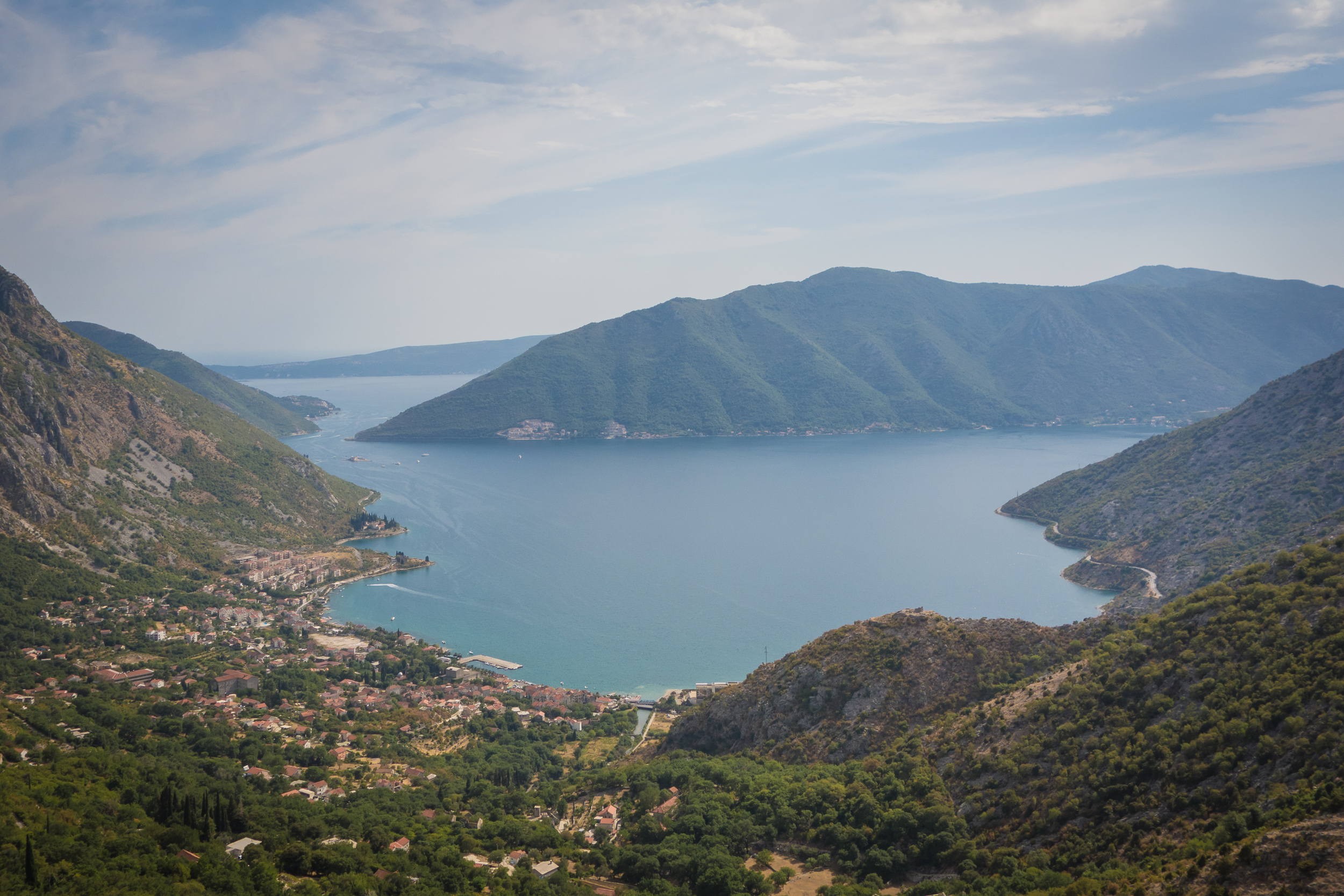
This route took me through breathtaking places which is why I struggle to choose the best moment of the race. Was it the Strada dell’Assietta at sunset, in spite of the problems I had there? Or crossing Slovenia, the most bike friendly country I have ever visited? Or the mountains of Bosnia, a war field not so long ago, the unexpected discovery of the trip? Or riding up a remote pass in Albania at sunset? Or the bay of Kotor before climbing Mount Lovcen? In the end, the route was about discovery, not picking favorites, and now I have endless memories of places I wish to revisit.
https://instagram.com/p/53i-fbJS4F/
The mountains of BosniaThe first sight of the bay of Kotor, Montenegro coming in from Bosnia
The people
The TCR is not just about where you go, it’s also the many people you meet on the road.
One of the few rules of the TCR is that drafting is not allowed. You must ride alone. But, with 170 riders all going from Belgium to Turkey on roughly similar routes, you inevitably bump into fellow racers on the way.
I never saw the top riders after the start. By the end of day 1, some were already 200km ahead of me (!). My game plan was to sustain a relatively fast pace by getting enough rest and sleep in hotels. That, combined with my passport adventure on day 3, meant that I spent the whole race catching people on the road, while some would pass me again when I was stopped. I also spent days without seeing anyone because of some specific route choices – this was the case in Bosnia on day 10. On that night, I checked into a hotel in Foca, a small town. What did I see when I asked the receptionist where I could put my bike? Another TCR rider’s machine. Kurt, a hardcore and friendly Flemish dude, was there. We had a chat in the morning, went our own way and met a few more times that day.
Kurt, the friendly Flemish dude
Did I feel lonely during the race? Sometimes. But there was always somebody around. I felt there would always be a helping hand if I had a problem, even in the most unlikely places. Like on the slopes of Mount Lovcen where a bunch of Italian tourists helped me fix a flat I was struggling to repair due to my numb hands (see below). Albania was another great example: my route took me deep into the mountains, away from the busy highways. But the roads were incredibly bad and the temperature rose to 42°C before a massive storm forced me to a stop. I found a gas station where I waited out the storm, had the best omelette ever, and was able to skype with my wife thanks to perfect wifi. I spent the rest of the day going up and down a beautiful mountain pass leading me to the Macedonian border. Every village I crossed was full of life: men chatting and laughing at café terraces, kids playing and cheering on me. This was in stark contrast with France where the countryside is deserted and I sometimes had to ride 30km before I could find a place to buy food.
The human body is amazing
I learned a lot during the TCR. About my continent, about people, but also about myself. In short, the human body is amazing. I trained hard but had never done anything close to this huge challenge. So I had no idea how I would cope with riding so much for so long. What did I experience?
1) The pains disappear. Perhaps the biggest issue I had during the first half of the race was pains in various parts of my body. Rain and cold in the first two days in Belgium and France were hard on my knees. Soon, my Achilles tendons became very painful. Riding a long portion at the end of day 2 in the aero bars strained my right hamstring. Sitting on the saddle was more and more uncomfortable. I was concerned that it would only become worse and I would eventually have to quit the race, like many. Reading their heart breaking story on the TCR Facebook group was not very comforting.
But, as new pains were coming, others were fading. The knees got better. Riding up Mont Ventoux and across the Alps meant less tension on the hamstrings. Frequent self massages and warmer weather healed my Achilles tendons. By day 9, my body was painless and remained so until the finish. My body was my best buddy.
Also, as incredible as it seems, my legs were never sore. Because riding for so long meant that I had to ride at low intensity. No KOM attempts. No town sign sprints. Just riding at a sustainable pace. On day 11, I rode 276km and climbed 4070m in Bosnia and Montenegro. My moving time was 12 hours and 54 minutes. For 11 hours and 44 minutes (91%), my heart rate was below 110bpm. My maximum was a ridiculous 123bpm.
2) Nutrition was an area where I kept making mistakes throughout the race. Gas stations are handy: they are on the road side and you can quickly grab food and drinks. But they offer a limited selection, and it’s almost all highly processed, packaged food. And you can’t race on only coke and snickers. Or maybe you can, but not for days on end. When your race is 15 days long, you need real food, not just sugar. I experienced huge dips of energy on days where I would skip meals and try to survive on only soft drinks, biscuits and potato chips. My energy was at a maximum after having burger in France, pizza in Italy, pastries in Slovenia and local, unnamed specialties in Turkey. So the lesson is: eat real food and the body will perform.
TCR nutrition at its best
3) The main problem for the second half of the race was a numb right hand. It is known as ulnar neuropathy, a common issue in ultra endurance cycling: you spend so much time holding your handlebars that you compress the ulnar nerve in your hand. The result is a loss of strength, dexterity, and sometimes pins and needles.
I started having trouble changing gears, holding a fork and giving change in gas stations. That was the funny part. However, it was more stressful to find out that it was becoming increasingly difficult to put my tire back into place when fixing a flat. I almost cried after I successfully did it at the end of a hard day spent in a head wind in Greece. The next morning, I found a bike shop and had my tires pumped up to 100psi. It ensured I had no pinch flats until the finish, but I reached the Bosphorus with a very sore bottom.
Now that I am off the bike and recovering, the hand is recovering too. Just more proof that nothing is permanent and the body can and does heal itself.
4) By the end, I became very slow. My ‘energy drink’ incident, instead of giving what the hype promises, took a lot of… energy from my body. By day 14, every railway bridge would see me drop to my 34×32. 18kph had become the new 25kph. My heart rate was rarely going over 100bpm, even when sprinting away from stray dogs. This was the body protecting itself, working as it should to keep me going at a very minimum with very little reserve. It was obvious to me that it was time to reach the finish line.
https://instagram.com/p/6GtdE9pSwh/
The last day
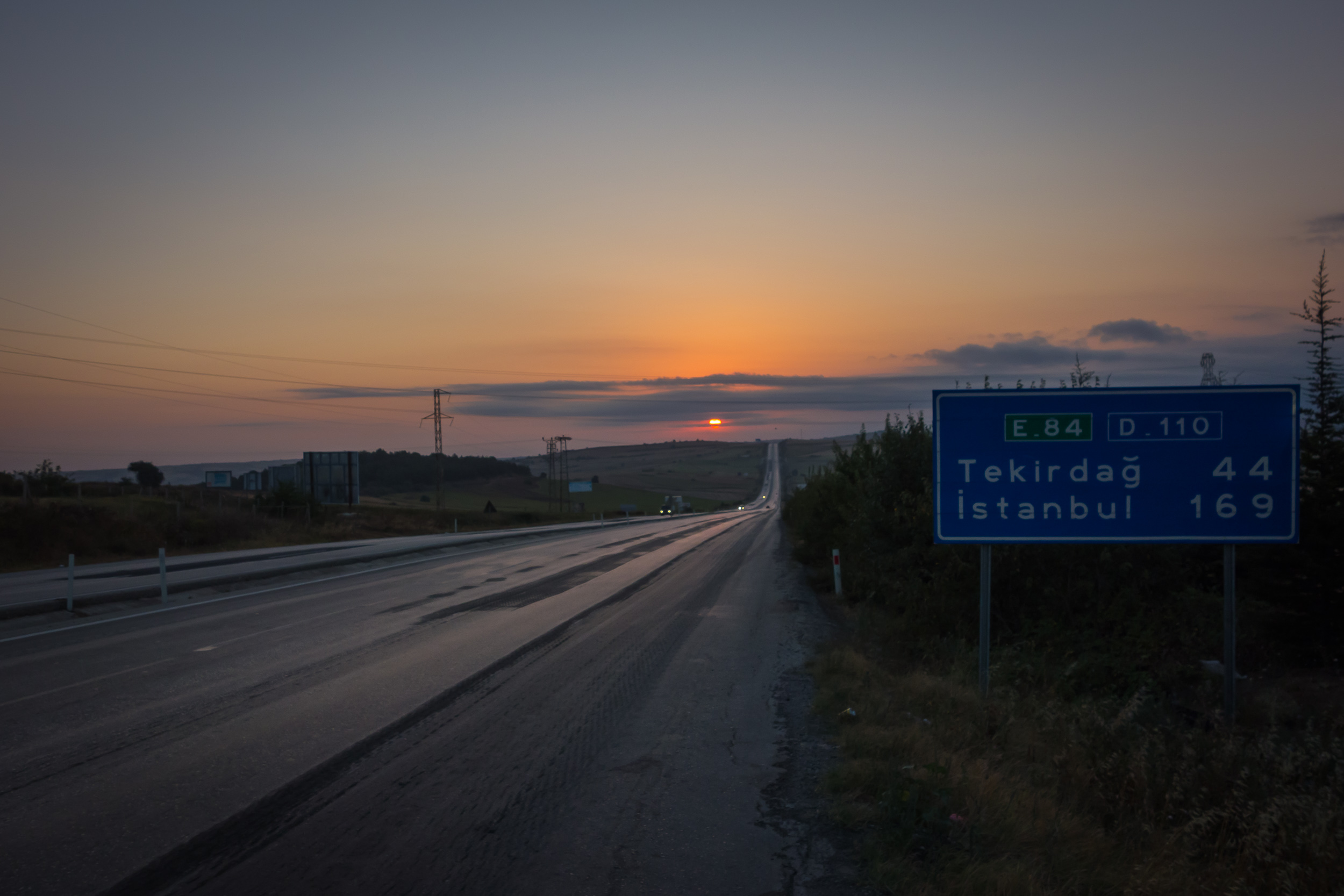
I started day 16 at 4am in Kesan, 280km from the finish line. The last day. I was relieved because I was getting very tired. I was also incredibly sad that this was all coming to an end. At 5am, I stopped at a gas station for some food. Everything was quiet. I was treated with the best toasted sandwich ever. It had the taste of the 4000km adventure I had just spent on my bike. At the table next to me, a worker was drinking coffee and his phone was playing traditional Turkish music. I knew that there would be tears on my last day but I did not think it would start at 5am.
An early morning start for my last day
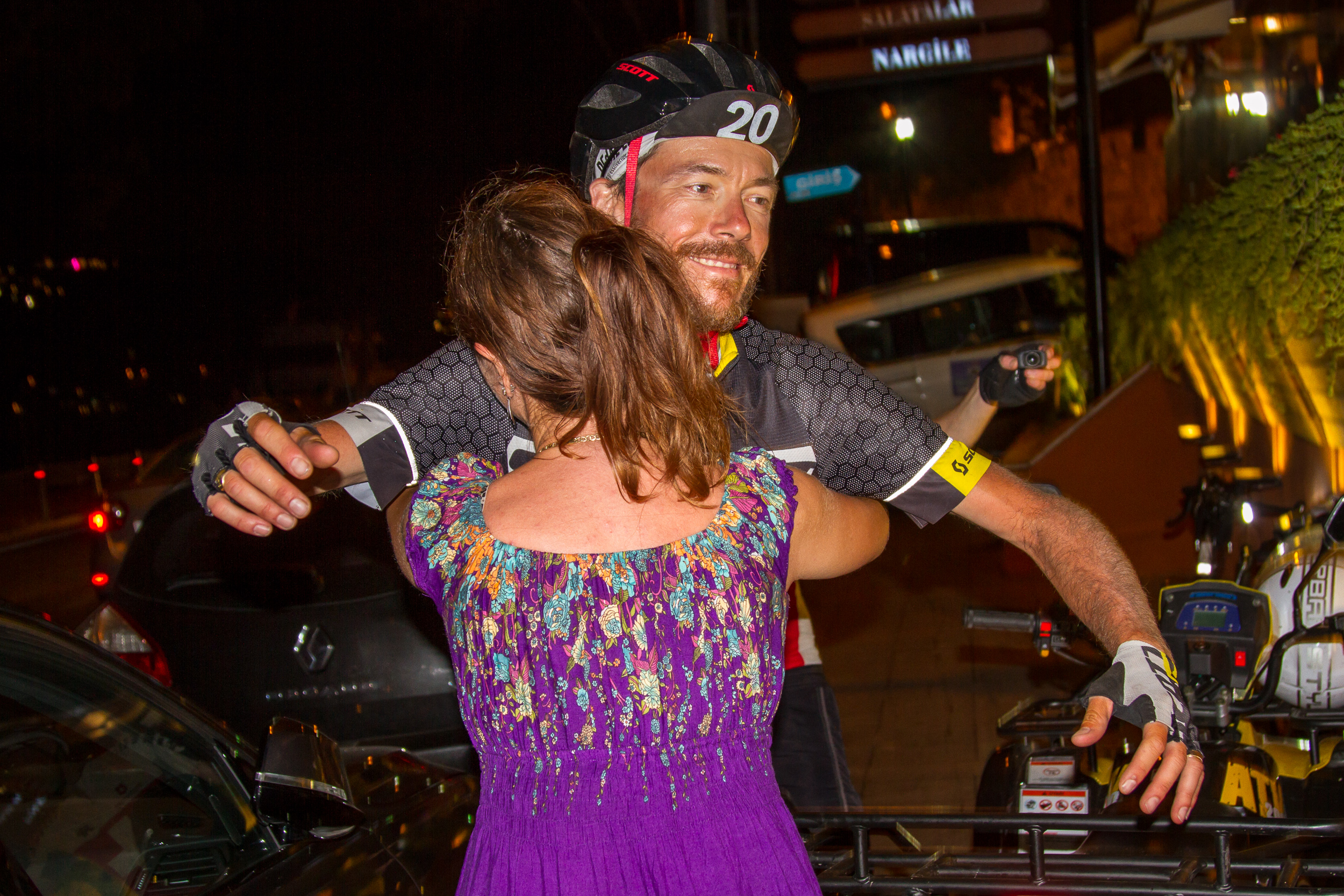
I still had 260km to ride to the finish and spent the rest of the day in the pain cave, fighting head wind, stray dogs, endless rolling hills and big trucks on crazy highways. And I finally made my way to the Bosphorus and Café Hisar. Then it was cheers, more tears, and beers. I was a TCR finisher.
Last stamp on my Transcontinental Race brevet card. I am a finisherThe stinkiest picture of cycling history with the day 16 finishers
The stats
Total distance: 4’463.8km (279km per day)
Total time in lycra: 263 hours 14 minutes (16 hours 27 minutes per day while my goal was 15 hours)
Total moving time: 189 hours 40 minutes (72% of total time in lycra – not a great ratio compared to many racers)
Total climbing: 32’458m (2028m per day)
Number of flats: 8, 4 of which on Strada dell’Assietta
Starters: approx 170
Finishers: approx 82 (some are still on the road)
Thanks
This is not an Oscar ceremony, but I want to thank here the people without whom I would not have made it to Istanbul.
My friend Chris. You rode the 2014 TCR, convinced me to enter the 2015 race, taught me everything I needed to know in terms of equipment, logistics, routing. You turned a hardcore roadie into an ultra endurance racer. I cursed you many times along the way for dragging me into this madness, but can’t thank you enough today. You started the race with severe sciatic problems and were way ahead of me until you had to quit, beaten by the pain. Shaking hands with you in Cervignano, Italy and riding on to Slovenia was one of the hardest moment of my race. Get well soon, my friend.
Chris, my TCR guru. He came to Istanbul to welcome racers after quitting the race due to back problems
My wife Lillie. What can I say? My best supporter in life, and on the TCR. I spent so many hours training for the TCR, and you never complained. You were with me at the start. You were waiting for me at the finish. You spent 16 days nervously watching blue dot #20 (not always) moving on an online map, and worrying. I love you so much Lillie. And I promise you that we will spend our next biking adventure together.
Yes Lillie, I lost weight…
Heather, Chris’ wife. You were a great support to TCR widow Lillie. I will also never forget the poem you texted me as I was heading into the dark at the end of a long day to Ohrid, Macedonia:
There once was a man named Alain,
Who hatched a great cycling plan,
From Brussels to the Bosphorus,
My that sounds preposterous!
But if anyone can do it, he can.
Mike Hall, the organiser of the TCR, and all his team. As fellow participant Mike Sheldrake wrote on the TCR Facebook group: « Thank you Mike Hall for having the imagination, vision, drive and organisational skills to make this incredible event roll. It’s unique and born from the best philosophy. You have created far more than a bike race. TCR brings people together and changes lives. Keep spinning those imaginative cranks. »
My bike! The Scott Solace was a very loyal companion. Fast when it needed to be, smooth on bad roads, comfortable at all times. Zero mechanicals apart from flats which were mostly due to wrong tire pressure. Thanks buddy.
Last but not least, my family, my friends, CyclingTips and all my followers on social media. Your support has been amazing and gave me strength in difficult moments. It was fun sharing this adventure with all of you. Posting a daily picture and reading your comments on CyclingTips’s Instagram was the perfect way to wrap up each day and get ready for the next stage.
What’s next?
Getting back on the bike when my body has recovered. A new house in a few weeks. A baby in October. An exciting new job which involves adventures on bikes, for everybody.
And don’t forget: anybody can go on an epic adventure. It does not need to be of the scale of the Transcontinental Race – it can be your longest ride ever, a holiday to discover the Alps or a multi day tour with your best friend. But riding bikes makes happy. And it changes lives.
To stay up to date with the new posts on this blog, follow me on Facebook, twitter or Instagram.
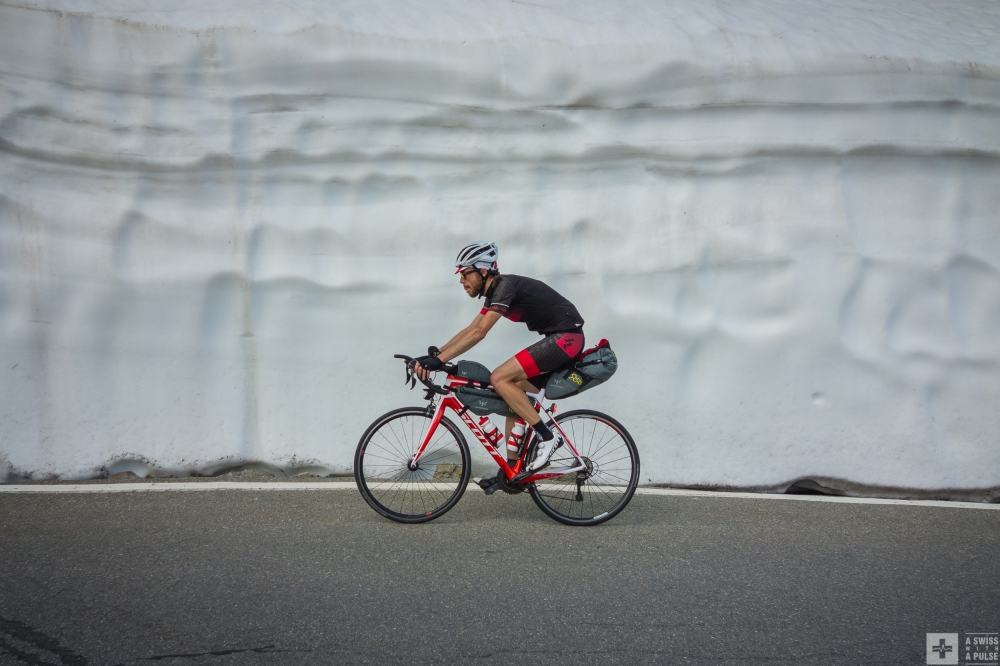
The Transcontinental Race is approaching and my bike is almost ready. The latest additions have been lights powered by a front dynamo hub, and a very cool set of Apidura bags (more on that in a future post). This was a great excuse to test ride a really cool loop: the Tour du Mont Blanc, in 2 days.
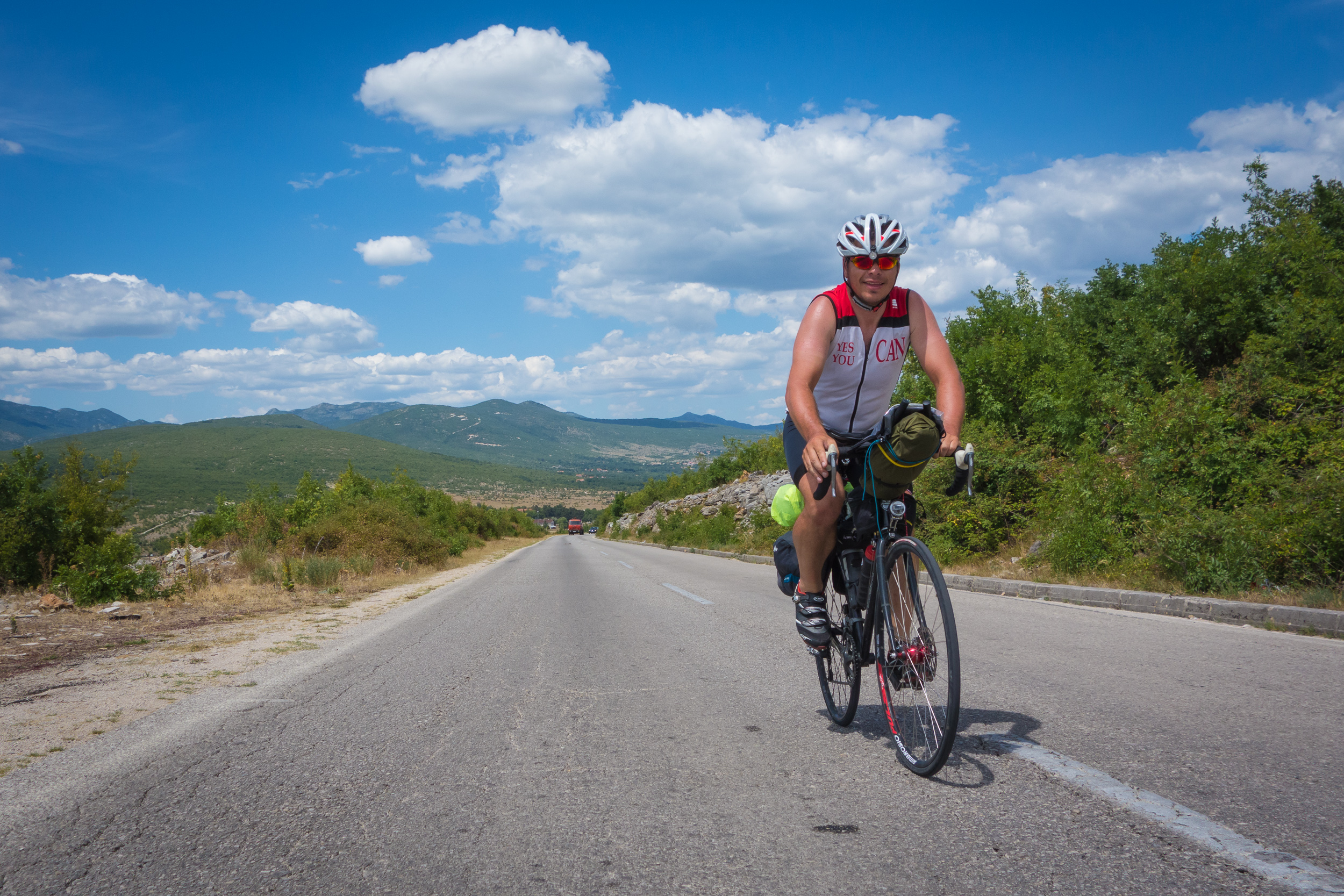
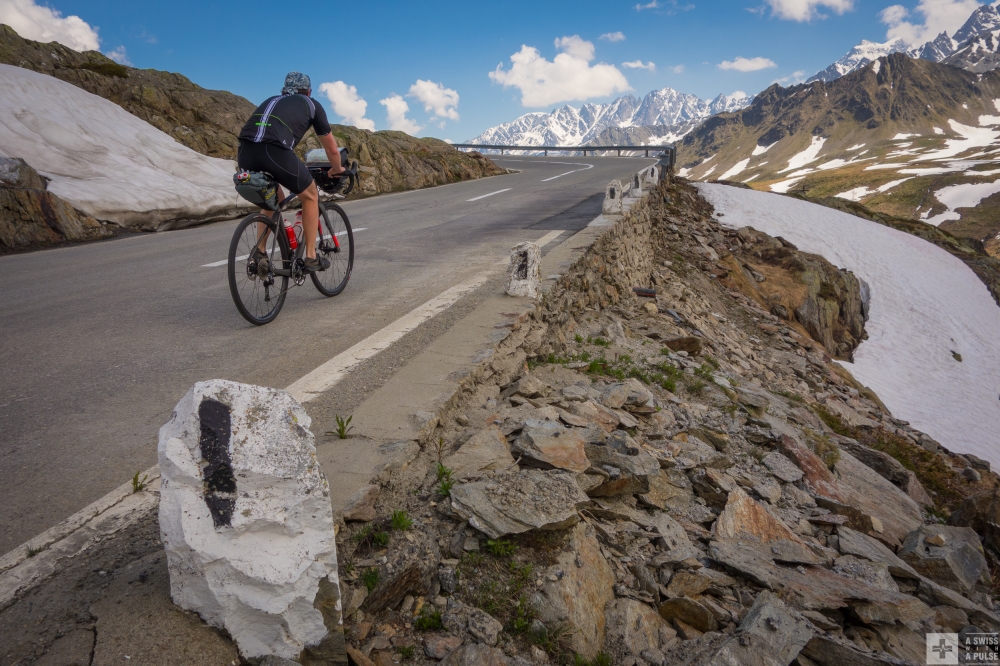
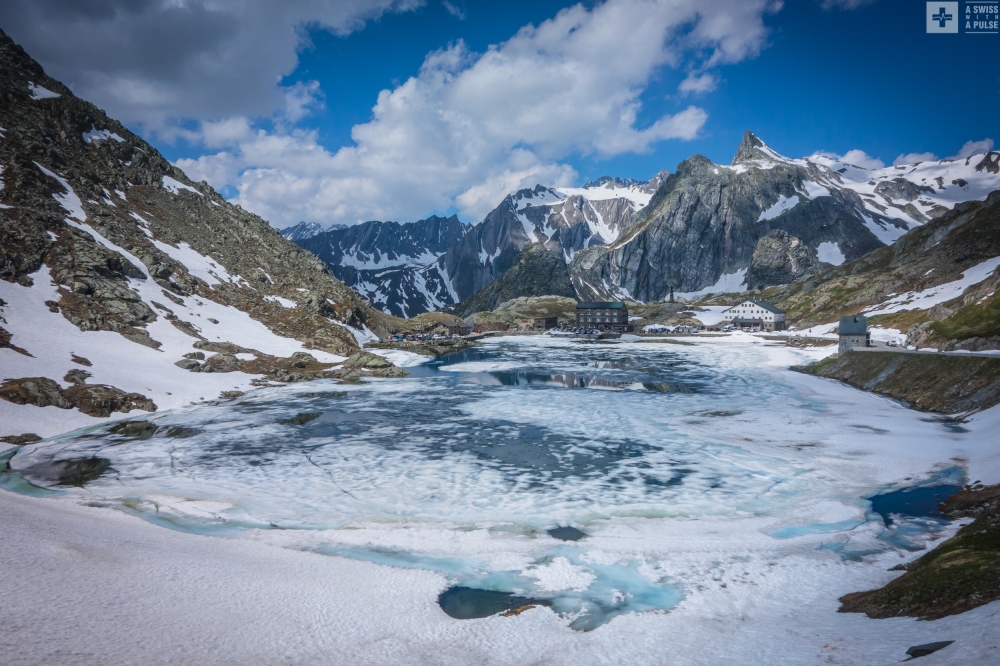
On the first day, I rode from home to Bourg Saint Maurice, then over the Col du Grand Saint Bernard into the Aosta Valley, then over the Colle San Carlo and finally the Col du Petit Saint Bernard. My friend Manu joined me until Aosta which meant I had great company and there were bike riders on my pictures, not just landscapes.
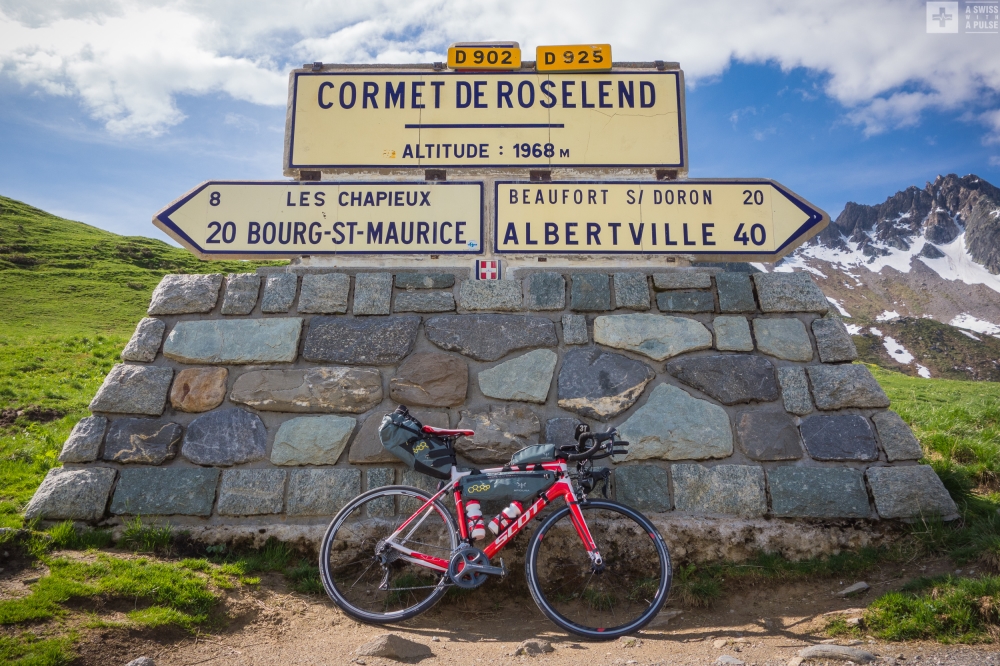
I came back home the next day via the Cormet de Roselend, the Col du Pré, the Col des Saisies, Mégève, Chamonix, the Col des Montets, the Col de la Forclaz and last, but not least, the climb home to Gryon. No riding buddy this time, but I rode along the course of the Time Mégève Mont-Blanc granfondo between the Col des Saisies and Mégève, so I had plenty of cyclists around me.
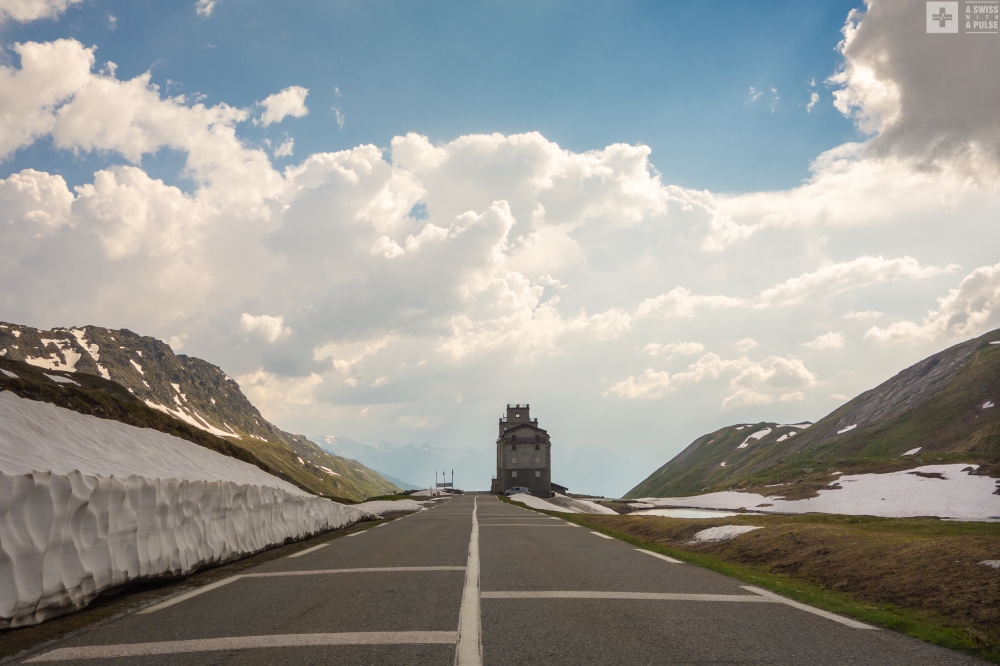
The Col du Grand Saint Bernard is a monster, with 1895m of climbing over 41 km. The first section is long, mostly easy and fairly boring, until the entrance to the tunnel which swallows most of the motorised traffic. In contrast, the last 6km are bliss.
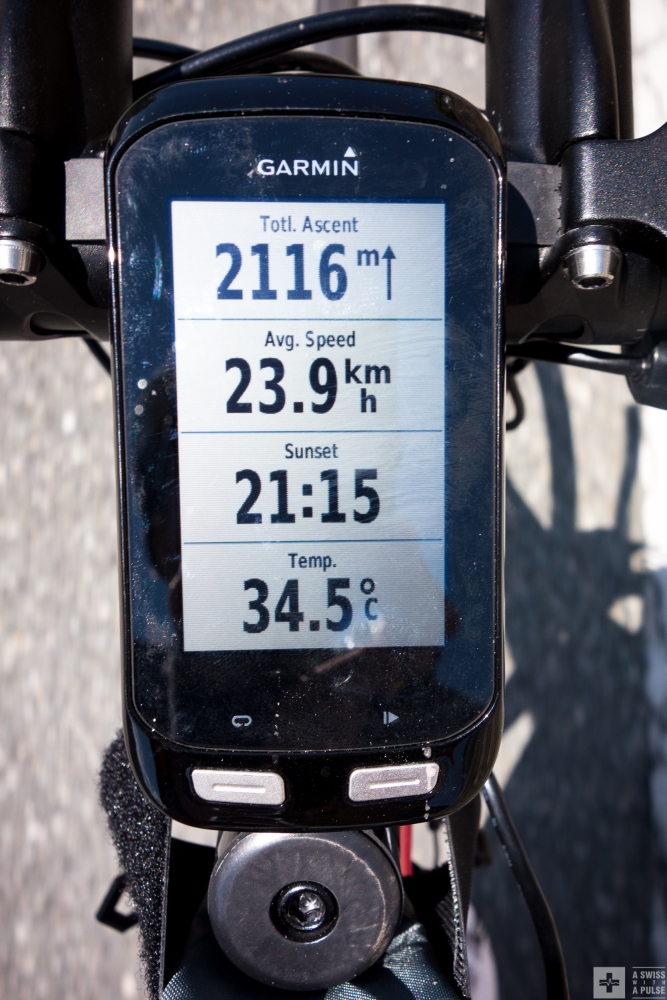
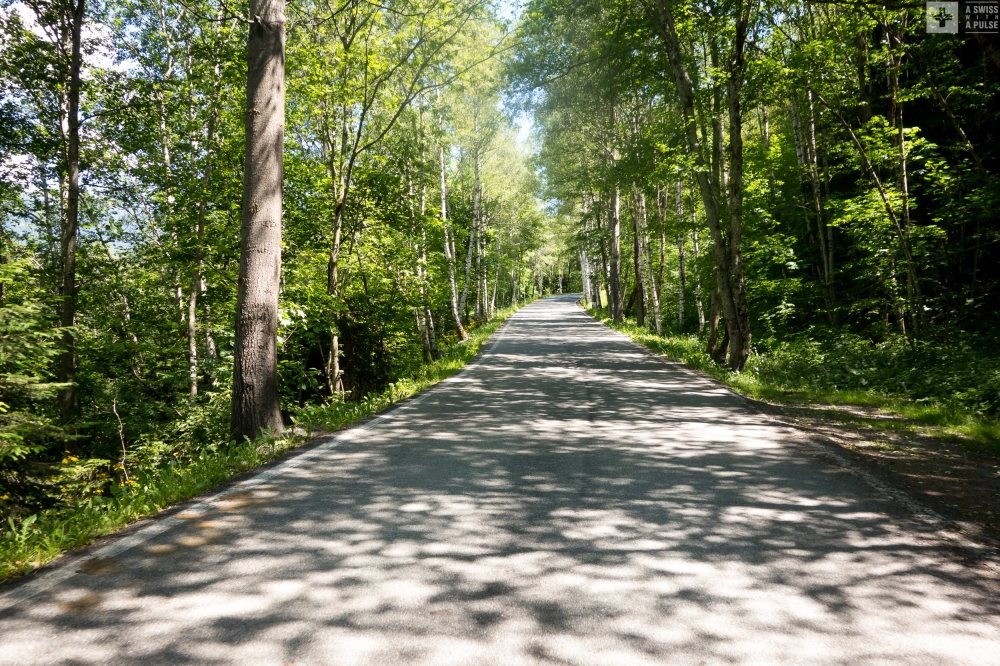
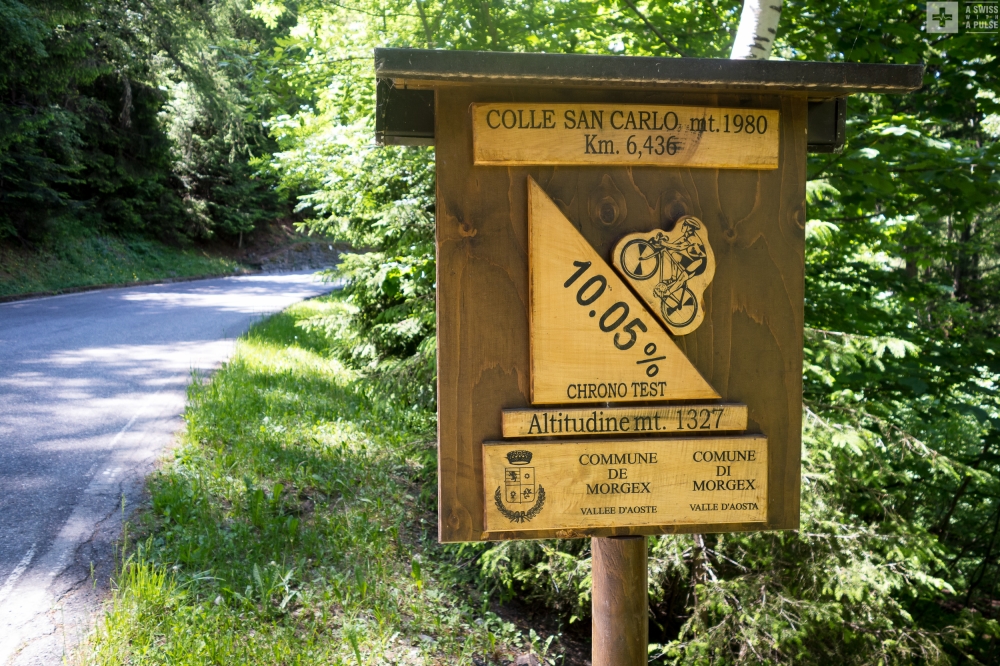
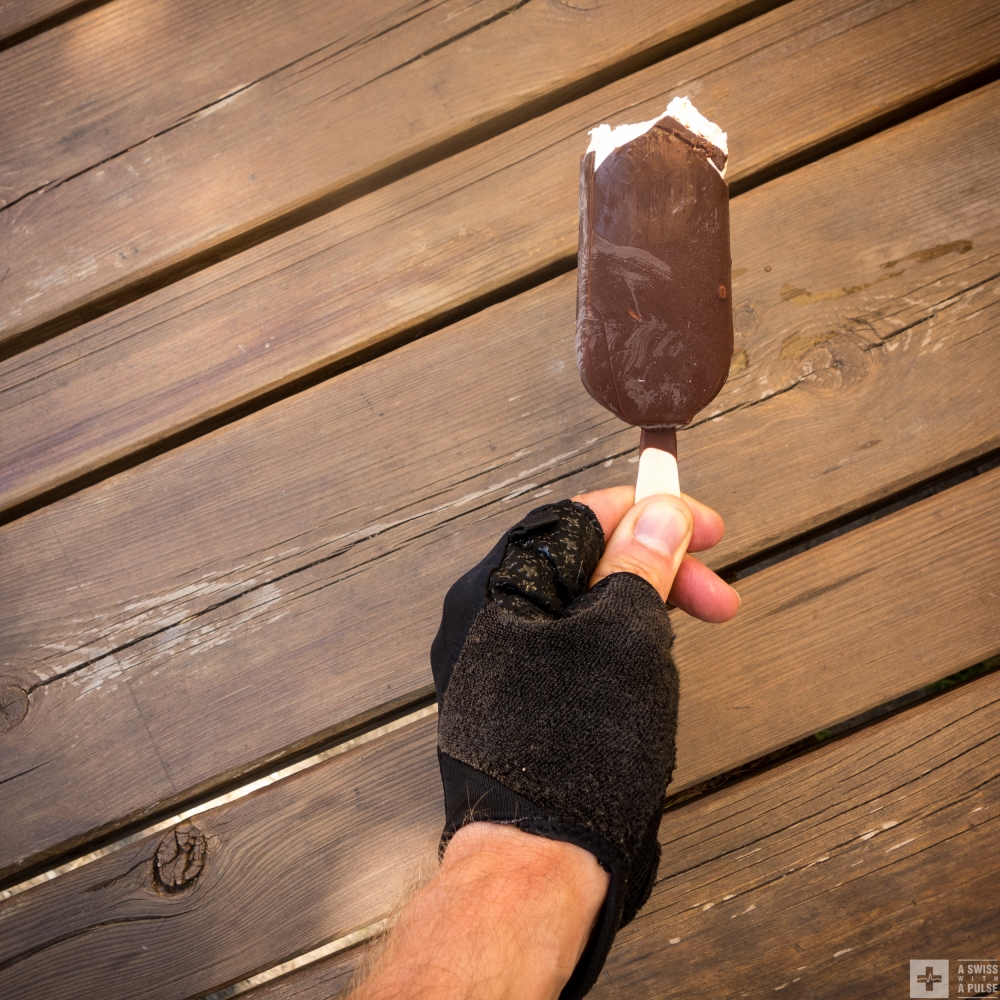
I made a last minute decision to ride up Colle San Carlo. The heat in the Aosta Valley was unbereable and the prospect of riding up to La Thuille on a big, open road was not very engaging. Instead I decided to follow Will Cyclist’s suggestion and go via the Colle San Carlo, even if it meant an extra 500m of climbing with long sections around 10%. I did not regret it, and the ice cream at the top was a nice reward.
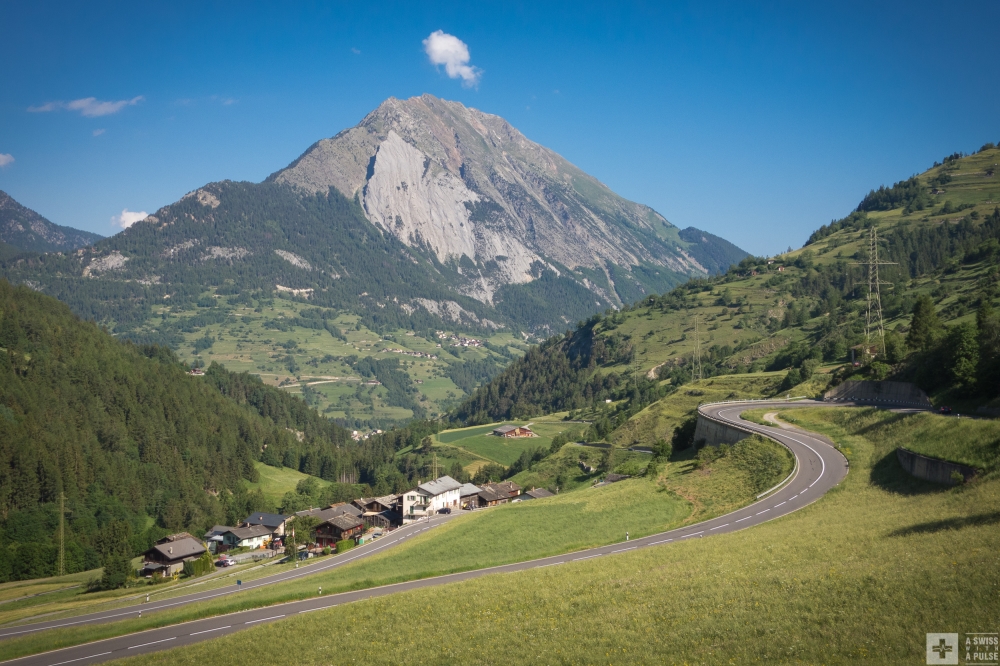
I had already ridden to the top of the Petit Saint Bernard from Aosta, but had never been on the other side. It was a great discovery, with empty roads, lots of switchbacks and big, open views.
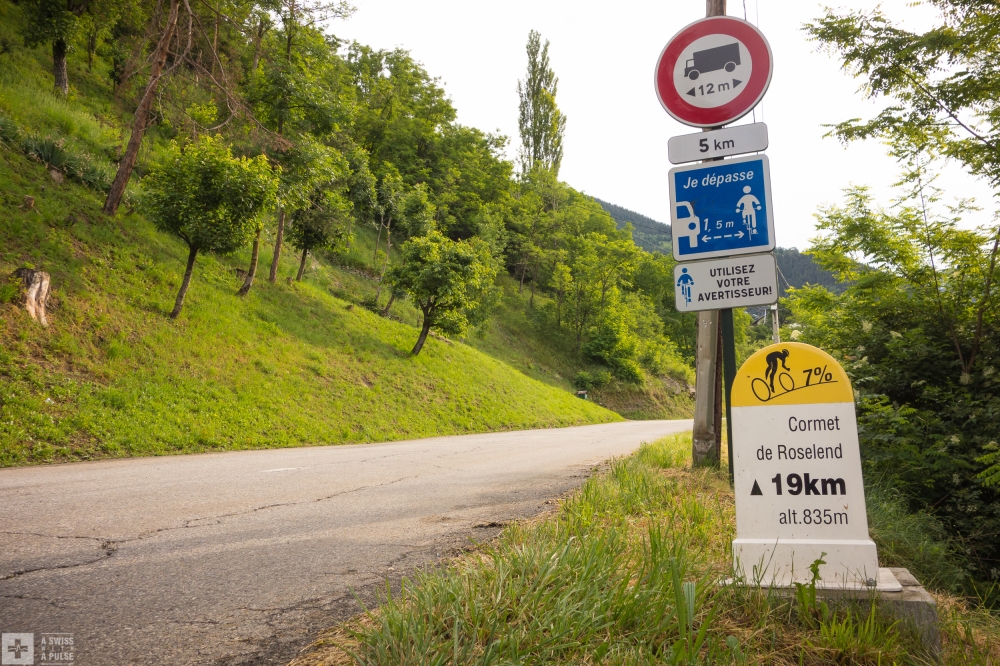
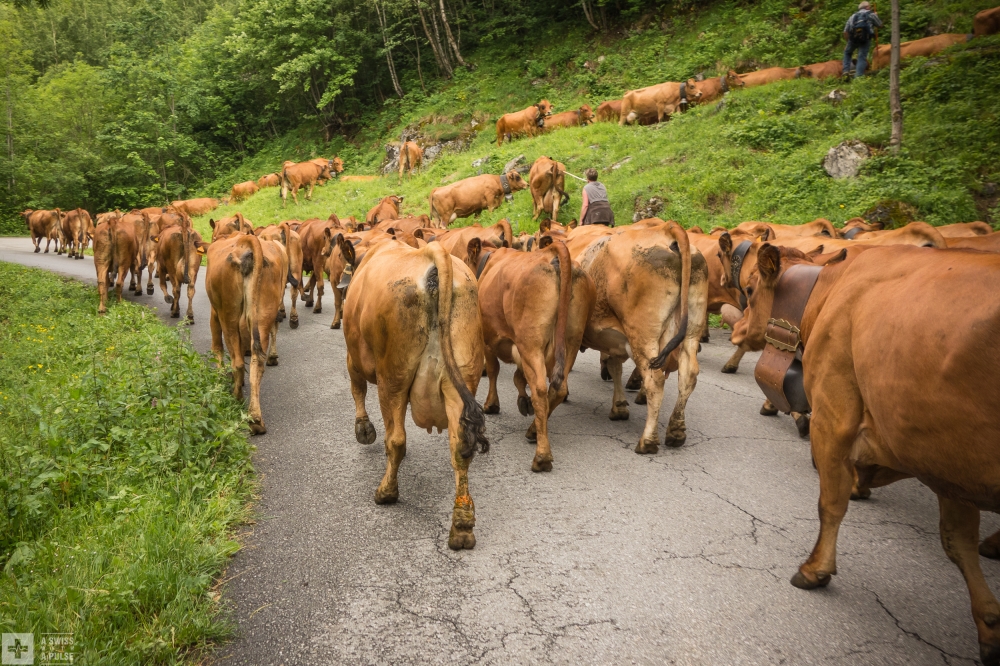
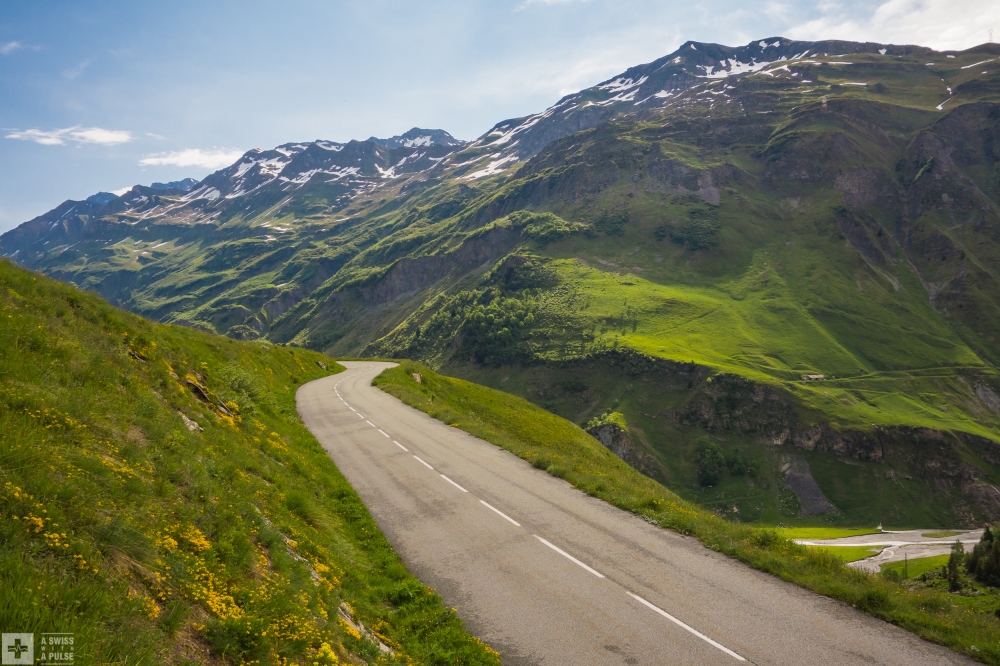
Day 2 started with the Cormet de Roselend. I climbed it very slowly, but not because I was tired; I took a lot of pictures. Every corner offers a different view and I barely saw a car. But I saw cows – I had to ride through a big herd on its way up to the high pastures. It felt like riding in a peloton.
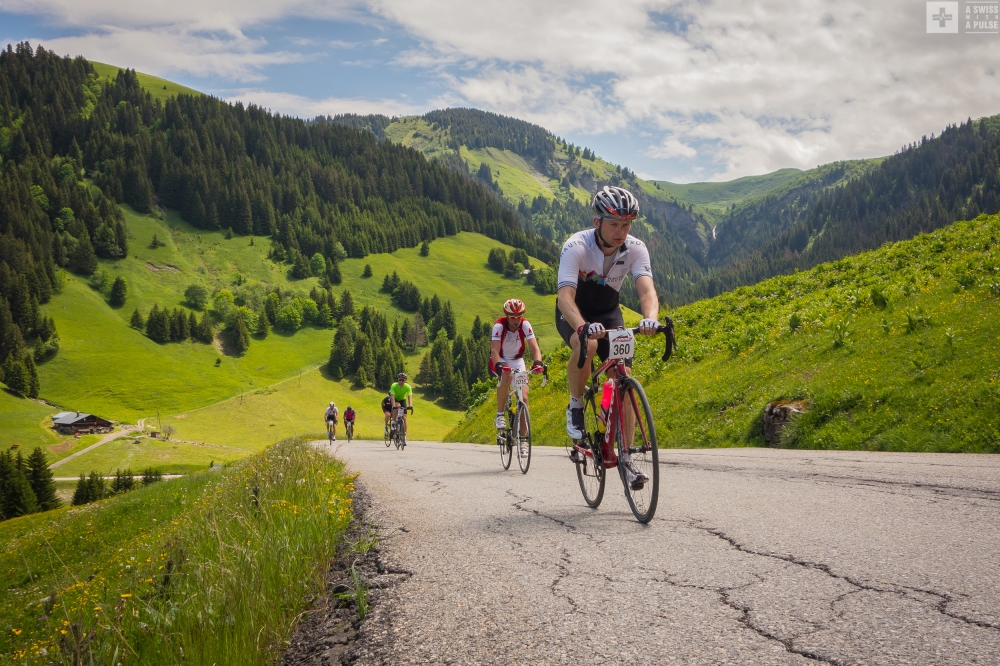
I knew that I would ride along the Time Mégève Mont-Blanc granfondo from the bottom of the Col des Saisies to the finish in Mégève. At the start of the col, I asked a volunteer when the race was coming. “They are 5 minutes away” he said. I had the brilliant idea of seeing how long it would take the leaders to catch me. Turned out they must have been way further than that, because I saw nobody. So I rode the whole col at a sustained pace – and did not stop for pictures. In spite of a stop at the top where I finally started to see riders, I would pay for that effort later.
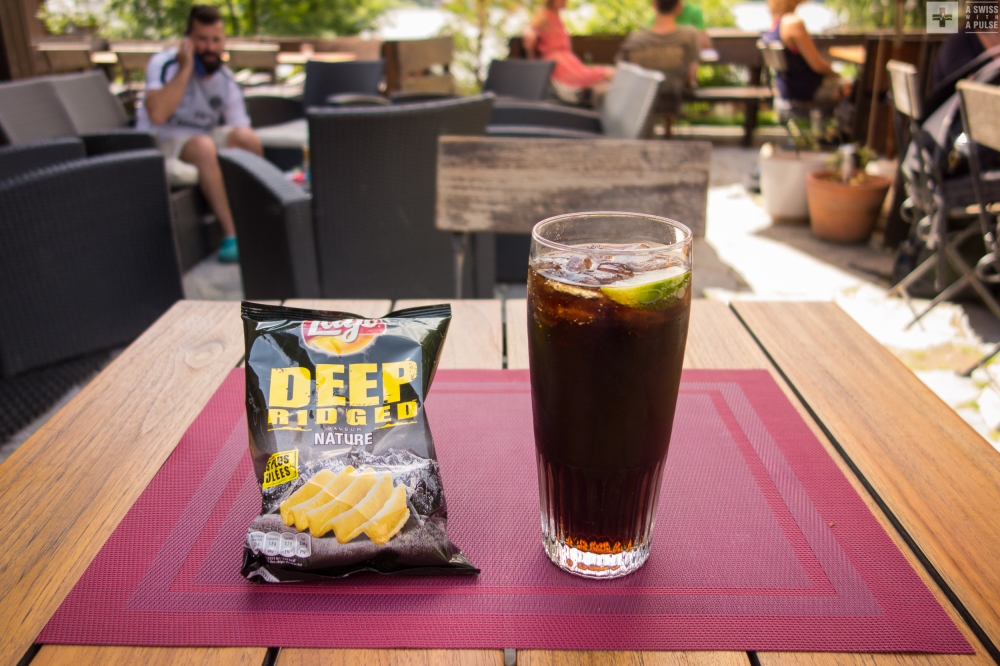
I reached the bottom of the climb into Chamonix tired, and probably a bit dehydrated. I literally crawled up to Les Houches, where potato chips and a Coke saved my life. But the rest of the day was much slower and I was very happy to finally reach home after the last climb from Bex.